
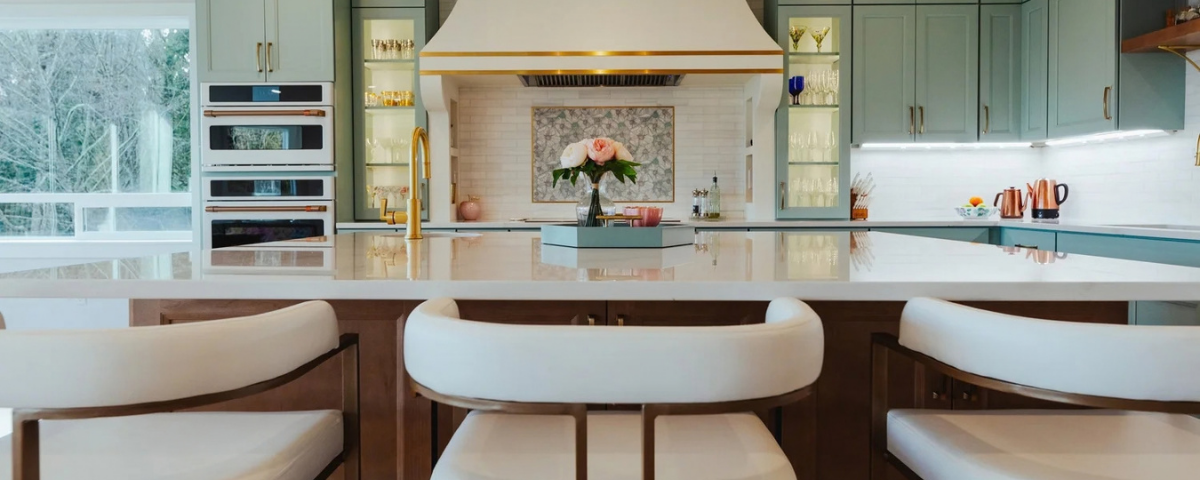
How Much Kitchen Storage Do You Really Need? A Kitsap County Remodeling Guide
Planning a kitchen remodel in Kitsap County? Learn how thoughtful space planning and custom cabinetry can create kitchen storage designed around how you live.
When planning a kitchen remodel, it’s easy to assume that more cabinets automatically mean better storage. But a functional kitchen isn’t about fitting in as many cabinets as possible. It’s about creating the right storage, in the right places, for the way you actually use your kitchen.
At Mise en Place Design, thoughtful preparation is at the heart of our process. Before cabinetry is ordered or construction begins, we look at what you need to store, how you cook, and how your household moves through the space. The goal is a kitchen that feels organized and intuitive—not simply full of cabinets.
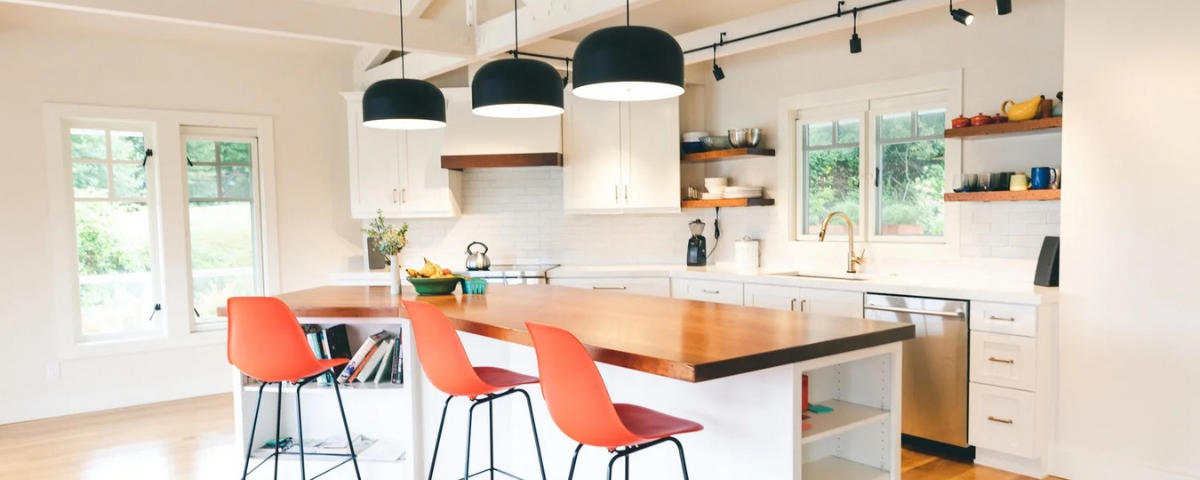
Start With What You Actually Own
Before designing new cabinetry, take inventory of what already lives in your kitchen. Everyday dishes, cookware, small appliances, pantry items, serving pieces, baking supplies, and even those oversized items you only use a few times a year all need a place.
This is also an opportunity to think about what isn’t working. Are small appliances taking over your countertops? Are pantry items difficult to reach? Are pots and pans stacked awkwardly in deep cabinets?
These frustrations tell us just as much about your storage needs as the number of items you own.
Think About How You Use Your Kitchen
Good kitchen storage should support your natural workflow.
If you make coffee every morning, mugs, coffee supplies, and equipment should live together. If you cook frequently, utensils, spices, oils, cookware, and prep tools should be easily accessible where you actually use them.
This is where thoughtful space planning and custom cabinetry make a difference. Instead of filling empty walls with generic cabinets, we can design storage around specific activities and routines.
The result is a kitchen where everything has a reason for being where it is.
Make Every Cabinet Work Harder
More cabinetry isn’t always necessary. Sometimes, the better solution is making existing square footage work more efficiently.
Full-extension drawers, pantry roll-outs, vertical dividers, deep drawers, appliance storage, and cabinetry that takes advantage of available height can dramatically improve how much usable storage a kitchen provides.
At Mise en Place Design, custom cabinetry is considered alongside the overall layout, appliances, countertops, lighting, and circulation. Each decision affects another, which is why we work through these details early rather than waiting until construction is underway.
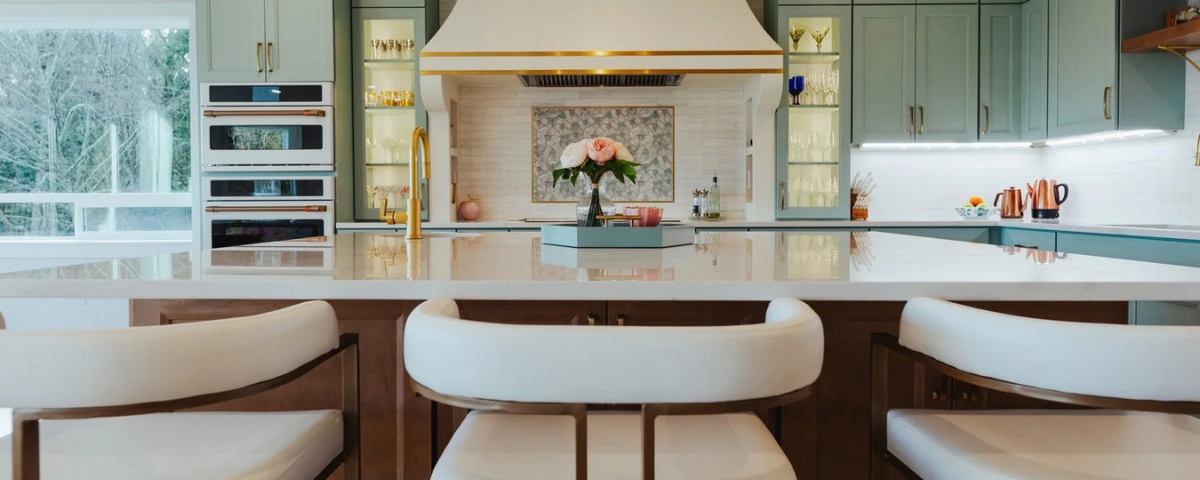
Don’t Forget About Counter Space
Storage and counter space need to work together.
Adding cabinetry everywhere may technically give you more storage, but it shouldn’t come at the expense of comfortable prep areas or an open, functional layout. The goal is balance—enough accessible storage to keep everyday items organized while preserving the surfaces you need for cooking, gathering, and daily life.
Sometimes the best storage solution isn’t adding more. It’s reconsidering where things belong.
Plan Your Kitchen Storage Before Construction Begins
The best time to solve your kitchen storage problems is on paper—not after the cabinets have been installed.
Our mise en place philosophy is about having everything in its place before the heat is turned on. Through detailed space planning, custom cabinetry design, material selections, and construction documentation, we work through the details upfront so your kitchen is prepared for how you actually live.
For homeowners planning kitchen remodels throughout Bremerton, Silverdale, Poulsbo, Bainbridge Island, and Kitsap County, thoughtful storage planning can turn the same square footage into a kitchen that feels completely different.
Mise en Place Design | NCIDQ & ASID CertifiedSilverdale | Kitsap | Gig Harbor | Port Orchard | Bremerton | Kingston | Poulsbo | Bainbridge Island | Hansville | Seabeck

What Makes a Home Feel Custom? Small Design Details for Kitsap County Remodels
Discover the small design details that make a Kitsap County home feel custom, from cabinetry and hardware to lighting, materials, and thoughtful space planning.
What makes one remodeled home feel truly custom while another simply feels updated?
It isn't always the size of the renovation or the amount spent on finishes. Often, it's the smaller details—the way cabinetry fits the architecture, how materials transition from one surface to another, where lighting is placed, and how every element works together.
At Mise en Place Design, we believe a successful remodel starts long before construction begins. Thoughtful preparation allows those seemingly small decisions to become part of one cohesive design, creating a home that feels intentional, functional, and uniquely yours.
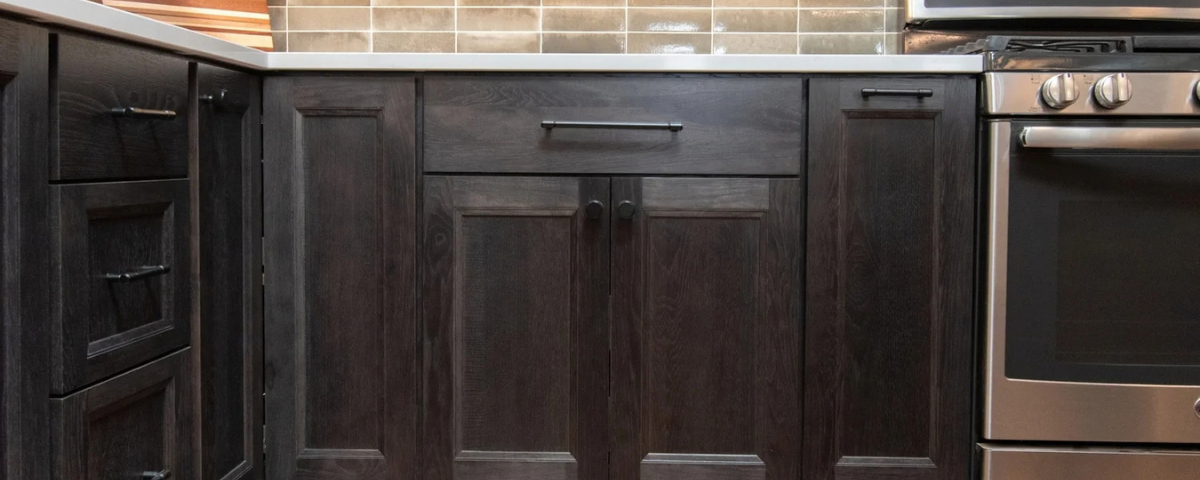
Custom Cabinetry That Fits the Space
Cabinetry has a significant impact on how personalized a kitchen, bathroom, or built-in space feels.
Instead of simply filling available walls with cabinets, custom cabinetry can respond to the architecture of the room and the way you actually live. Cabinet heights, drawer configurations, appliance placement, pantry storage, display areas, and interior organization can all be considered before anything is ordered.
In one of Mise en Place Design's kitchen projects, for example, taller cabinetry took advantage of a vaulted ceiling while pantry roll-outs improved access and glass doors created space to display treasured pieces. The result wasn't just more storage—it was a kitchen with more function and personality.
Hardware Is More Than a Finishing Touch
Cabinet knobs, pulls, plumbing fixtures, and other hardware may seem like small decisions, but they're details you see and touch every day.
Scale, placement, finish, and shape all contribute to the overall design. The goal isn't necessarily to make every metal finish match. It's to make sure each selection feels intentional alongside the cabinetry, countertops, lighting, and surrounding architecture.
This is why Mise en Place Design brings material selections together early. At our Bremerton design studio, clients can see and compare cabinetry, countertops, tile, flooring, hardware, and other finishes together instead of making isolated decisions from a screen.
Thoughtful Lighting Changes Everything
Lighting isn't something that should be added after the room has already been designed.
A custom-feeling home considers how lighting supports the architecture and everyday activities within each space. Decorative fixtures can create visual interest, while carefully planned task and ambient lighting make kitchens, bathrooms, and living spaces more functional.
When lighting locations are coordinated with cabinetry, furniture, and architectural details from the beginning, the finished room feels integrated rather than pieced together.

Pay Attention to Where Materials Meet
Some of the most important details in a remodel happen at the transitions.
Where does the backsplash end? How does flooring transition between rooms? Where should tile align with cabinetry? How does millwork meet a wall, ceiling, or window?
These details may be subtle, but they're often what separates a thoughtfully designed space from one where decisions were made along the way.
Our mise en place approach means working through these relationships before the first hammer swings. Detailed construction drawings and material specifications give the construction team a clear roadmap and help preserve the original design intent throughout the build.
Custom Design Should Feel Like You
Perhaps the most important detail is personality.
A custom home shouldn't look like it was pulled directly from a showroom or copied from the latest trend. It should reflect your routines, collections, travels, tastes, and the way you want to experience your home.
Mise en Place Design's own projects demonstrate this approach, incorporating homeowners' personal collections, preferred colors, textures, and lifestyle needs while maintaining a cohesive overall design.
For homeowners remodeling in Bremerton, Silverdale, Poulsbo, Bainbridge Island, Port Orchard, and throughout Kitsap County, creating a custom-feeling home doesn't begin with choosing the most expensive finishes. It begins with thoughtful planning and attention to the details that make the space distinctly yours.
Because when every detail has a purpose, the entire home comes together.
Mise en Place Design | NCIDQ & ASID CertifiedSilverdale | Kitsap | Gig Harbor | Port Orchard | Bremerton | Kingston | Poulsbo | Bainbridge Island | Hansville | Seabeck
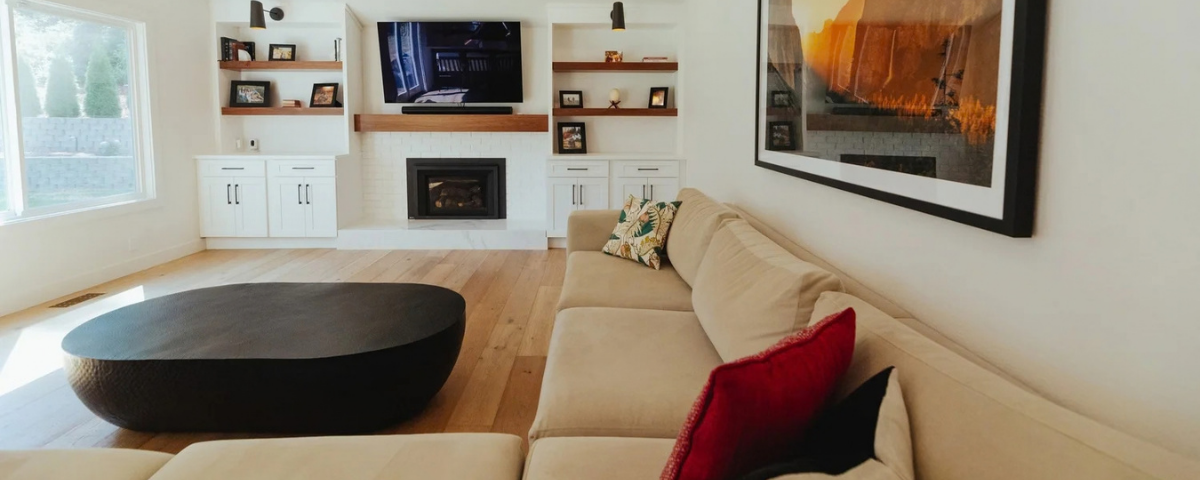
Open-Concept vs. Traditional Floor Plans: Choosing the Right Layout for Your Kitsap County Home
Is an open-concept floor plan right for your Kitsap County home? Explore the benefits of open and traditional layouts for a functional, thoughtfully designed space.
Open-concept living has become a popular choice for homeowners looking to create brighter, more connected spaces. But removing walls isn't always the answer to a better home. Sometimes, a traditional floor plan with thoughtfully defined rooms can provide the privacy, functionality, and comfort your household needs.
At Mise en Place Design, we believe good design starts with understanding how you actually live. Whether you're planning a kitchen remodel or a whole-home renovation in Kitsap County, the right layout should complement your lifestyle, not simply follow a trend.
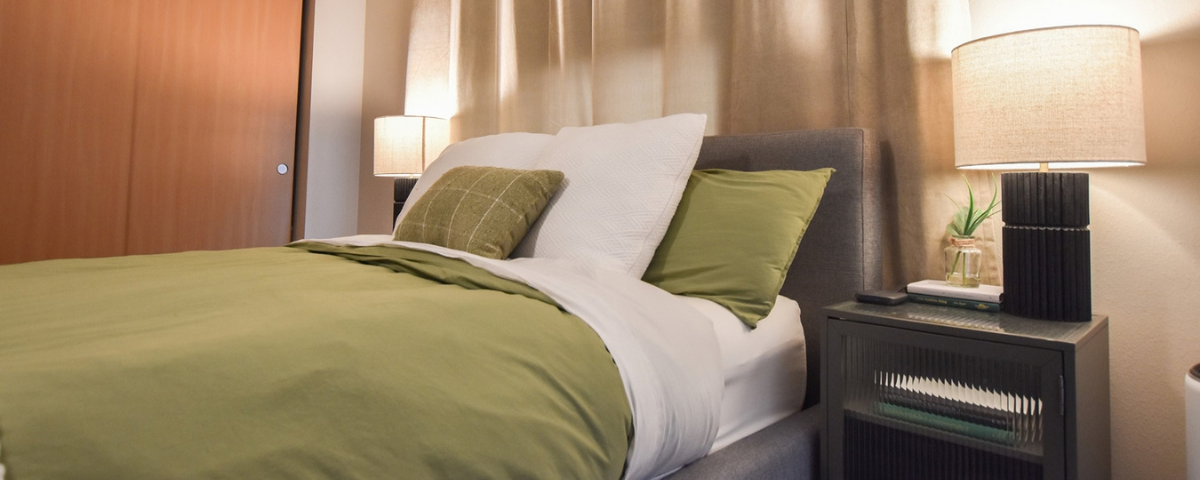
The Benefits of Open-Concept Living
Open-concept floor plans connect spaces such as the kitchen, dining room, and living room by reducing interior walls. This approach can create a more spacious feeling, encourage natural light to travel throughout the home, and make entertaining more comfortable.
For families who enjoy cooking together or hosting gatherings, an open layout can improve communication and create a stronger connection between everyday living spaces.
However, removing walls also means fewer opportunities for cabinetry, storage, and separation between activities. Without thoughtful space planning, an open room can feel less organized and more difficult to furnish.
Why Traditional Floor Plans Still Work
Traditional floor plans offer distinct rooms that serve specific purposes. Separate living areas, kitchens, dining rooms, and home offices can provide greater privacy, reduce noise, and create dedicated spaces for different activities.
For homeowners who work remotely, enjoy quiet spaces, or prefer keeping kitchen activity separate from entertaining areas, a traditional layout may offer practical advantages.
Defined rooms also provide additional wall space for cabinetry, furniture, artwork, and storage. Rather than opening every room, thoughtful interior design can improve circulation, lighting, and functionality while preserving the home's architectural character.
Finding the Right Balance Between Open and Defined Spaces
The right floor plan doesn't have to be completely open or entirely traditional. A thoughtfully designed home can combine connected living areas with defined spaces that support privacy, storage, and everyday routines.
At Mise en Place Design, we use detailed floor plans and 3D renderings to explore how different layouts will function before construction begins. By considering circulation, furniture placement, natural light, and architectural details early in the design process, we can create a cohesive layout that balances beauty with practicality.
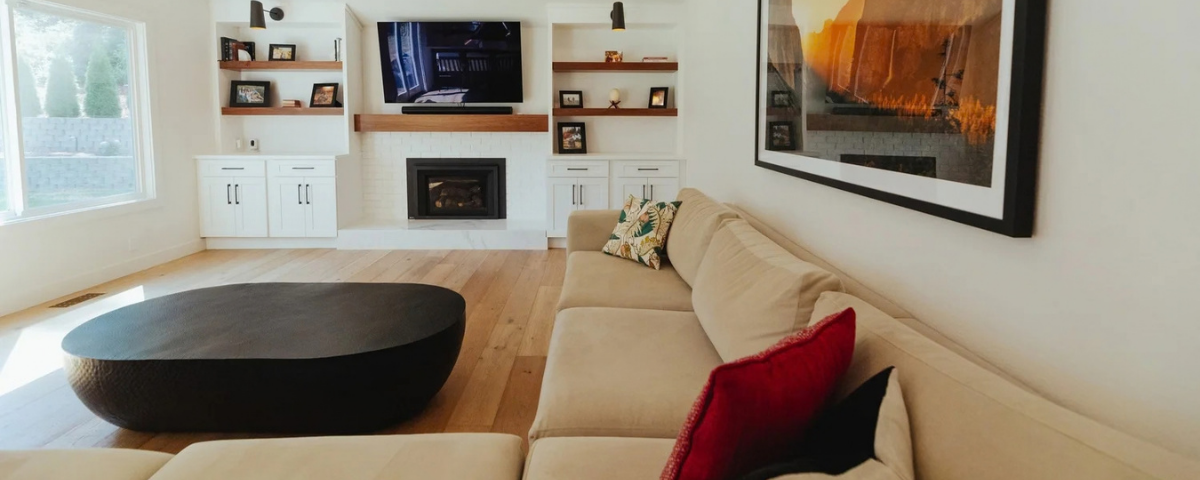
Thoughtful Space Planning Starts Before Construction
Removing walls may seem like a simple way to transform your home, but structural considerations, electrical and plumbing locations, and changes to cabinetry or storage can affect the scope of your remodel.
Our mise en place philosophy is rooted in having everything in its place before the first hammer swings. Through thoughtful space planning, detailed construction drawings, and coordinated material selections, we work through the important design decisions upfront so your project can move into construction with a clear plan.
Whether you're renovating a kitchen in Bainbridge Island, updating a traditional home in Bremerton, or planning a whole-home remodel in Silverdale, Poulsbo, or elsewhere throughout Kitsap County, your floor plan should be designed around the way you live. Everything in its place. Finally.
Mise en Place Design | NCIDQ & ASID CertifiedSilverdale | Kitsap | Gig Harbor | Port Orchard | Bremerton | Kingston | Poulsbo | Bainbridge Island | Hansville | Seabeck
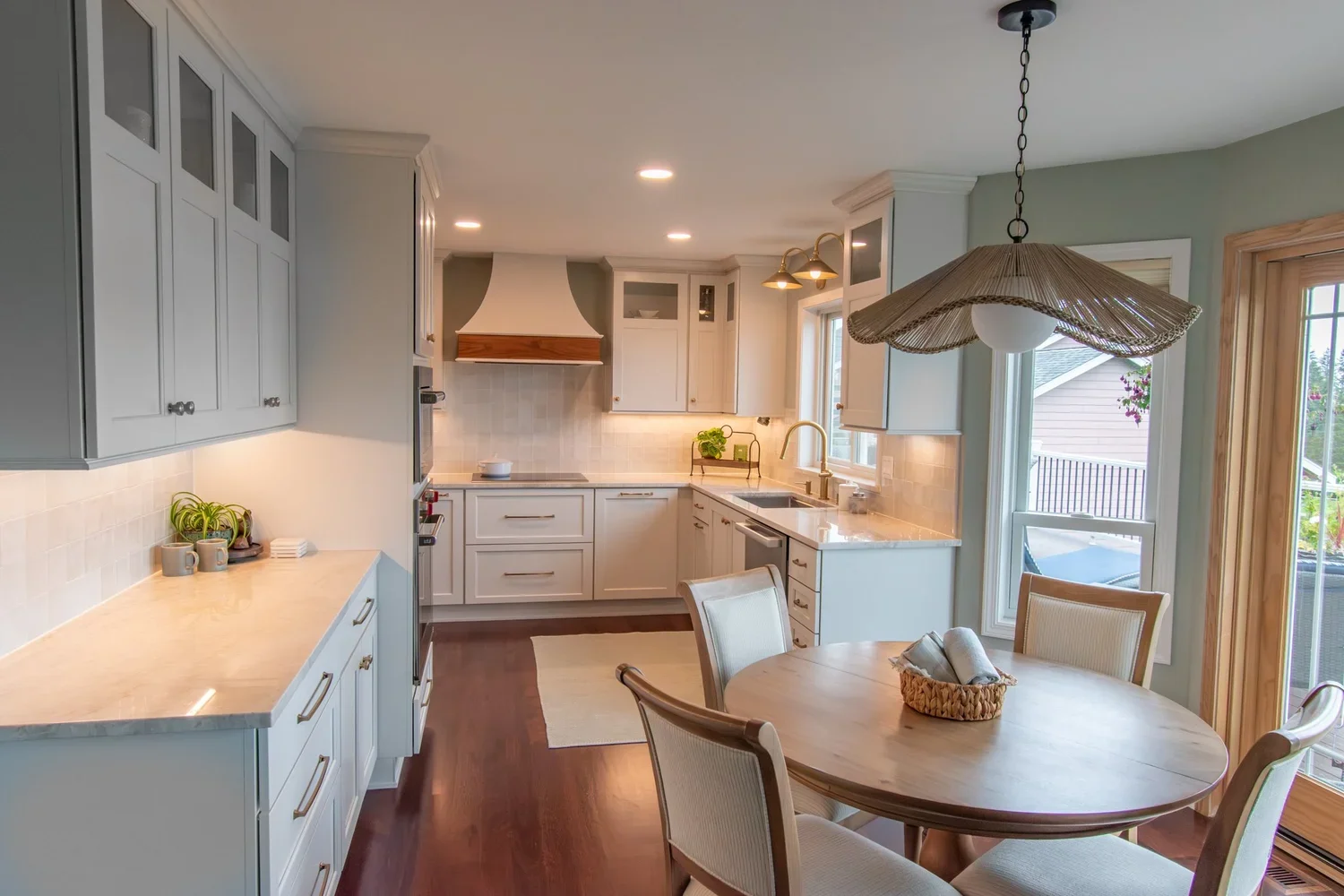
What to Bring to Your First Interior Design Consultation: A Kitsap County Homeowner’s Guide
Preparing for an interior design consultation in Kitsap County? Learn what to bring, what to consider, and how to prepare for a successful home remodel.
Starting a home remodel is exciting, but your first interior design consultation can also come with plenty of questions. What should you bring? How much should you already know? Do you need to have every finish, fixture, and detail figured out?
The good news is—you don’t.
At Mise en Place Design, the first conversation is about understanding your home, your goals, and most importantly, how you actually live in your space. Thoughtful preparation helps us create a stronger foundation for the design process, but you don’t need to arrive with all the answers.
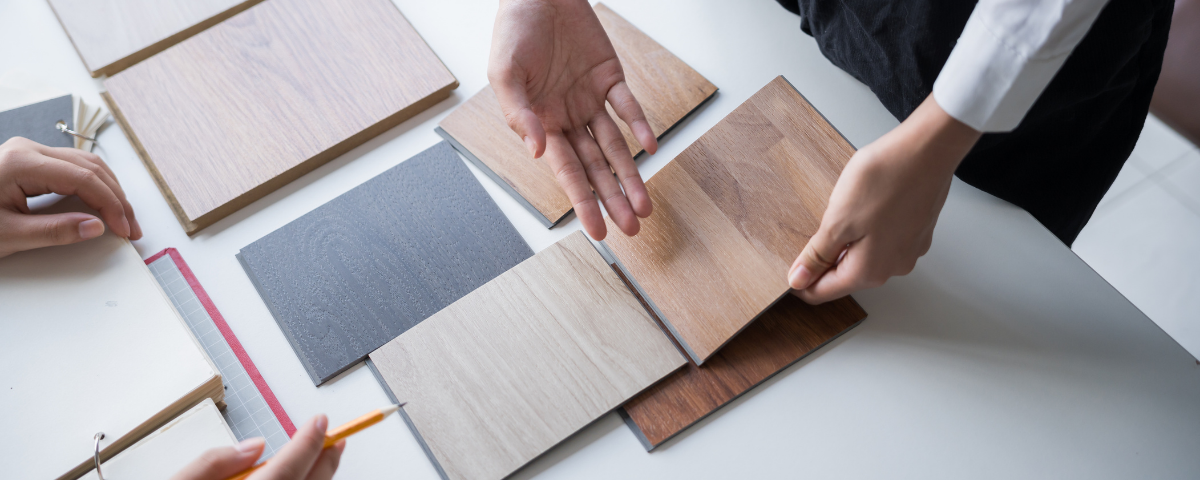
Bring Your Inspiration—But Don’t Worry About Having a Defined Style
Pinterest boards, saved Instagram posts, magazine clippings, screenshots, and photos of spaces you love are all helpful starting points. They give your designer insight into the colors, materials, layouts, and overall feeling that catches your attention.
It can be equally helpful to show us what you don’t like.
You don’t need to know whether your style is “modern organic,” “transitional,” or something else entirely. Our job is to identify the common threads and translate your inspiration into a cohesive design that feels appropriate for your home and lifestyle.
Think About What Isn’t Working
Before your consultation, spend some time thinking about the frustrations you experience in your current space.
Maybe your kitchen doesn’t have enough storage. Perhaps two people can’t comfortably cook at the same time. Your bathroom may have plenty of square footage but an awkward layout, or your home might simply no longer function for the way your household lives today.
These everyday details are incredibly valuable during the design process.
At Mise en Place Design, we aren’t simply designing a beautiful room. We’re creating highly functional spaces built around the people who actually use them.
Know Your Priorities
You don’t need a finalized wish list, but having a general sense of your priorities can make the first conversation more productive.
Think about what you absolutely need from the remodel versus what would simply be nice to have. Consider your storage needs, daily routines, entertaining habits, accessibility concerns, and any features you’ve always wanted in your home.
It’s also helpful to think about your anticipated budget and timeline. These don't have to be exact numbers or dates. Having an open conversation early allows your designer to help establish realistic expectations around the scope of the project.
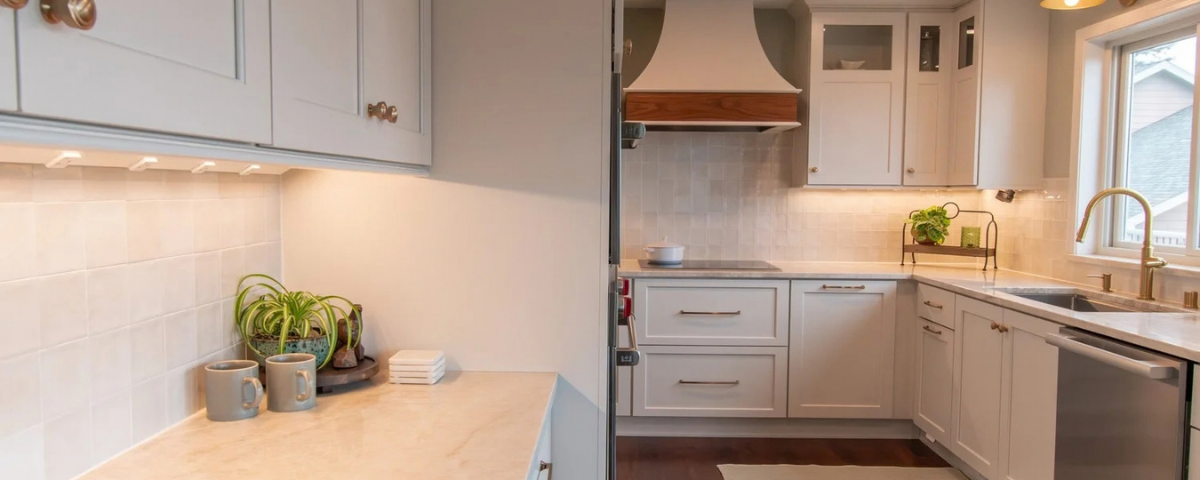
Bring What You Know About Your Home
If you already have floor plans, property drawings, measurements, previous renovation documents, appliance information, or photographs of your home, bring them along.
Don't worry if you don't have any of these. An on-site walkthrough is an important part of the Mise en Place Design process and allows us to evaluate the physical space in greater detail.
What matters most at the beginning is giving us as much useful context as possible so we can begin putting the pieces together.
You Don’t Need to Have Everything Figured Out
Your first interior design consultation isn't a test, and you aren't expected to arrive with your remodel already designed.
That's what we're here for.
Our mise en place philosophy is rooted in having everything in its place before the heat is turned on. Through thoughtful space planning, technical documentation, material selections, budgeting, and design-to-construction support, we front-load the decisions that matter so your project can be prepared before the first hammer swings.
For homeowners planning kitchen, bathroom, or whole-home remodels throughout Kitsap County and the Western Puget Sound, that preparation creates a clearer path from the first idea to the finished space.
Come prepared to talk about your home, your routines, your frustrations, and what you'd love to change. We'll help you figure out the rest.
Everything in its place. Finally.
Mise en Place Design | NCIDQ & ASID CertifiedSilverdale | Kitsap | Gig Harbor | Port Orchard | Bremerton | Kingston | Poulsbo | Bainbridge Island | Hansville | Seabeck
Why Early Plumbing and Electrical Mapping Dictates Luxury Vanity Design
Flawless aesthetics require disciplined engineering. Floating vanities, wall-mounted faucets, and integrated stone sinks rely on precise mechanical mapping. Discover how Mise en Place Design uses front-loaded technical specifications and construction drawings to protect luxury bathroom remodels across Kitsap County, Bainbridge Island, and Silverdale.
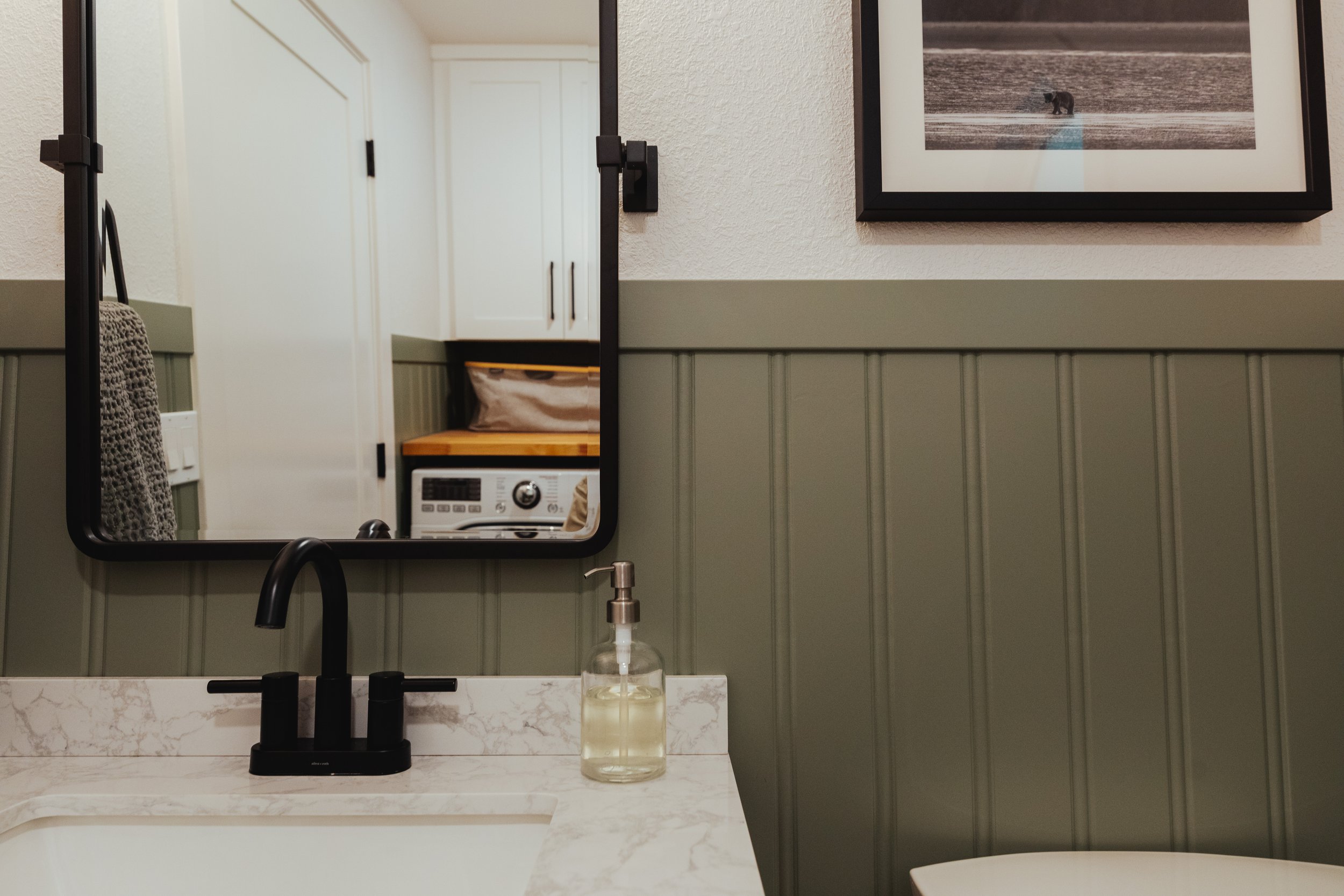
A floating stone vanity, wall-mounted brass faucets, and seamless mirror integrated lighting represent the gold standard of modern primary bathroom design. These elevated features create a weightless, spa-like atmosphere that expands the visual volume of the room.
However, the understated elegance of a high-end vanity is an optical illusion. Behind those clean architectural lines sits a dense web of rough-in plumbing, structural wall framing, and electrical conduits. If these mechanical elements are not mapped down to the exact millimeter during initial layout planning, the design intent fails during construction, leading to awkward field adjustments, off-center fixtures, or compromised storage.
At Mise en Place Design, we treat vanity design as a precise exercise in spatial architecture. By locking in mechanical placements early within our complete technical specifications, we ensure your bathroom suite performs with flawless precision.

Wall Mounted Faucets and Precise Rough In Valving
Wall-mounted faucets offer a sleek, counter-clearing aesthetic, but they leave zero margin for error. Unlike deck-mounted fixtures that drop into pre-drilled countertop holes after cabinetry is installed, wall-mounted valves must be permanently set inside the wall framing long before drywall, backer board, or tile are applied.
Calculating the valve's rough-in depth requires accounting for the exact thickness of your selected tile, mortar bed, and wall finish simultaneously. Setting the valve too deep prevents the finished trim from mounting flush, while setting it too far forward leaves an unsightly gap between the escutcheon plate and the tiled wall. Furthermore, the spout spout length must align perfectly with the drain center of your integrated stone sink to prevent splashing and ensure comfortable hand-washing clearance.
Structural Wall Blocking for Floating Stone Assemblies
Floating vanities topped with heavy quartz or marble slabs create a clean, contemporary aesthetic, but they exert immense cantilevered weight on the wall assembly. Standard drywall and wood studs alone cannot support hundreds of pounds of wood cabinetry and natural stone.
During the initial drafting phase, an experienced kitchen and bath designer specifies heavy internal wood blocking and hidden steel support brackets built directly into the wall framing. Mapping these structural supports in advance allows the wall to carry heavy loads effortlessly, keeping the floor underneath completely clear without visible support legs or floor brackets.
Internal Drawer Plumbing Enclosures and Power Depots
True luxury in a bathroom is defined by uncluttered counter surfaces. Achieving a serene, hotel-worthy environment requires integrating functional storage and power management directly into your custom millwork.
Rather than sacrificing entire vanity drawers to standard plumbing traps, we design tailored U-shaped drawer boxes that route around waste pipes, maximizing usable storage footprint. Simultaneously, we map dedicated electrical lines behind vanity drawers to power integrated outlets for hair dryers, hot tools, and electric toothbrushes. Keeping daily electronics plugged in and operational inside closed drawers keeps your natural stone counters completely clear of cords.
Protecting Vanity Aesthetics with Front Loaded Planning
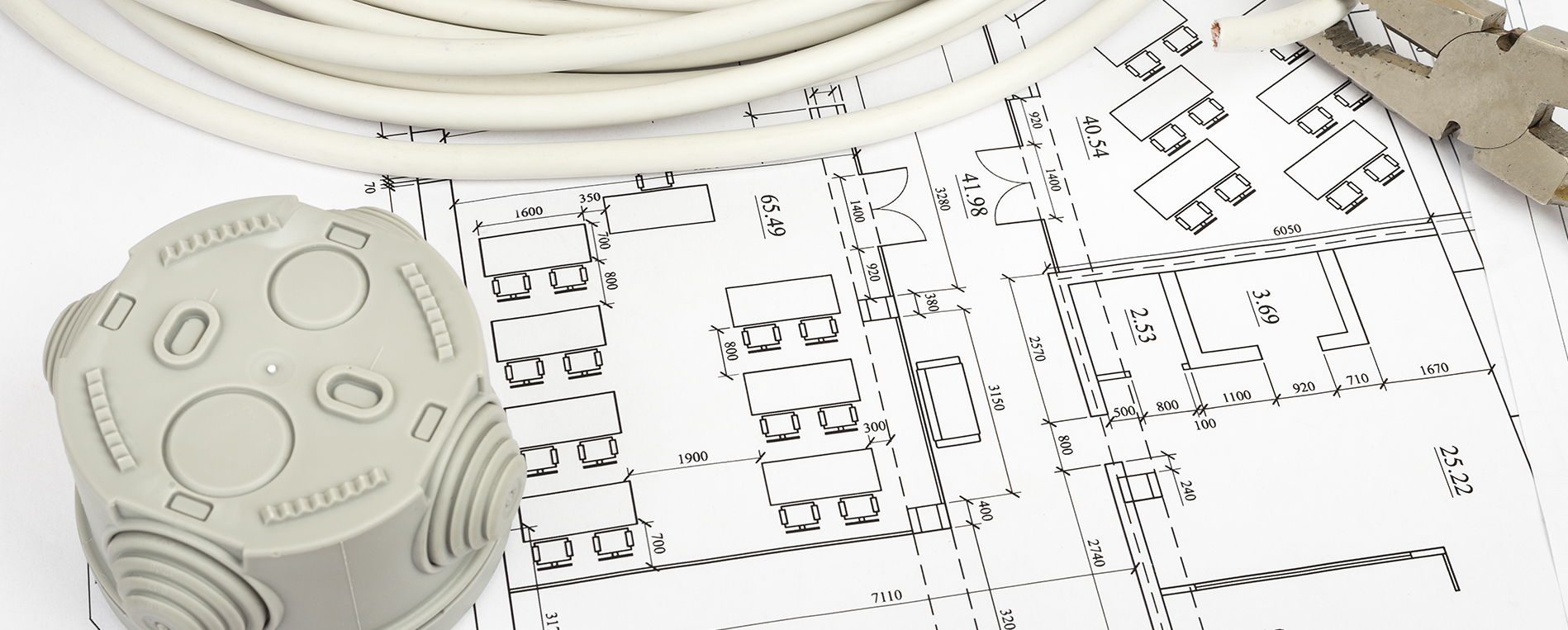
The secret to executing a flawless luxury vanity lies in front-loaded preparation. Resolving mechanical placements, wall backing requirements, and tile transitions on paper eliminates costly change orders and structural surprises on site.
Through our signature "mise en place" design philosophy, we produce exhaustive construction drawings that detail every valve height, outlet coordinate, lighting junction, and cabinet panel in advance. When your general contractor and trade specialists receive this comprehensive documentation, every rough-in line is installed with absolute intent.
Whether you are remodeling a primary suite on Bainbridge Island, redesigning a luxury bathroom layout in Poulsbo, or managing a full-scope modernization in Silverdale or Gig Harbor, front-loaded technical planning ensures your vanity looks and performs like a masterwork.
Mise en Place Design | NCIDQ & ASID CertifiedSilverdale | Kitsap | Gig Harbor | Port Orchard | Bremerton | Kingston | Poulsbo | Bainbridge Island | Hansville | Seabeck
Interior Designer vs. Contractor: Who Should You Hire First for a Kitsap County Remodel?
Planning a remodel in Kitsap County? Learn whether to hire an interior designer or contractor first and how thoughtful planning creates a smoother build.
You’ve decided it’s finally time to remodel. Maybe your kitchen no longer works for the way your family lives, your bathroom needs more than a cosmetic refresh, or you’re ready to rethink your entire home.
Then comes an important question: Do you hire an interior designer or a contractor first?
For homeowners planning a kitchen, bathroom, or whole-home remodel in Kitsap County and the Western Puget Sound, understanding the difference between these roles can help set the project up for success.
Interior Designer vs. Contractor: What’s the Difference?
Interior designers and contractors have different but complementary roles.
An interior designer determines what should be built, how the space should function, and how the materials, cabinetry, lighting, fixtures, and architectural details work together. A contractor takes those plans and manages the construction required to bring the design to life.
At Mise en Place Design, we believe thoughtful preparation should happen before construction begins.
Our name comes from the culinary philosophy of mise en place—having everything in its place before the heat is turned on.
We approach remodeling the same way.
Why Hire an Interior Designer Before a Contractor?
If your remodel involves changing layouts, designing cabinetry, selecting materials, relocating plumbing or electrical, or making significant architectural decisions, starting with an interior designer can provide a much clearer roadmap for construction. Before the first hammer swings, questions about layout, clearances, lighting, cabinetry, plumbing, materials, and finishes should already have answers. These aren't simply aesthetic decisions. They can affect construction costs, timelines, material quantities, and how each trade completes its work. Resolving those details early reduces guesswork during construction and helps your contractor understand exactly what needs to be built.
Good Design Starts With How You Live
A successful remodel isn't just about making a home look better. It should make everyday life work better, too. At Mise en Place Design, we begin by understanding how you actually use your space. From kitchen workflow and storage to circulation, lighting, and sightlines, thoughtful space planning allows us to identify opportunities that may not be obvious within the existing layout.
From there, detailed plans, renderings, material selections, and construction documentation transform ideas into a design that's ready to build. Instead of trying to make major design decisions while construction is already underway, you're entering the process with a clear plan.
Where Does the Contractor Come In?
Once the design has been developed and documented, your contractor has the information needed to execute it. But our role doesn't necessarily end there. Mise en Place Design provides design-to-construction support and can collaborate with your contractor throughout the build. We help clarify specifications, answer design questions, coordinate details, and advocate for the approved design as construction progresses.
The designer creates the roadmap. The contractor builds it. And collaboration between the two helps create a smoother path from concept to completion.

Do You Always Need an Interior Designer First?
Not every project requires a full interior design process. Straightforward repairs or construction projects with few design decisions may begin directly with a contractor.
But if you're wondering whether a wall should move, how your kitchen could function better, where cabinetry should go, which materials belong together, or how to make the most of your existing square footage, those are design questions.
Answering them before construction begins can save time, reduce uncertainty, and give your contractor a much stronger starting point. Already have a contractor? That's okay, too. An interior designer can collaborate with your existing construction team so everyone is working toward the same vision.
At Mise en Place Design, we front-load the design process so the details are considered before construction begins—from space planning and technical documentation to material selections and construction support.
Because when the preparation is thoughtful, the build can be, too.
Mise en Place Design | NCIDQ & ASID CertifiedSilverdale | Kitsap | Gig Harbor | Port Orchard | Bremerton | Kingston | Poulsbo | Bainbridge Island | Hansville | Seabeck
Designing the Primary Suite Layout for Uninterrupted Sleep Routines
Master the mix without the mess. Combining contrasting cabinetry finishes and hardware metals is key to a rich, multi-dimensional home, but without structure, it quickly leads to visual clutter. Discover how Mise en Place Design uses strict finish ratios, undertone matching, and front-loaded material specification to engineer cohesive, balanced kitchen remodels across Kitsap County, Bainbridge Island, and Silverdale.
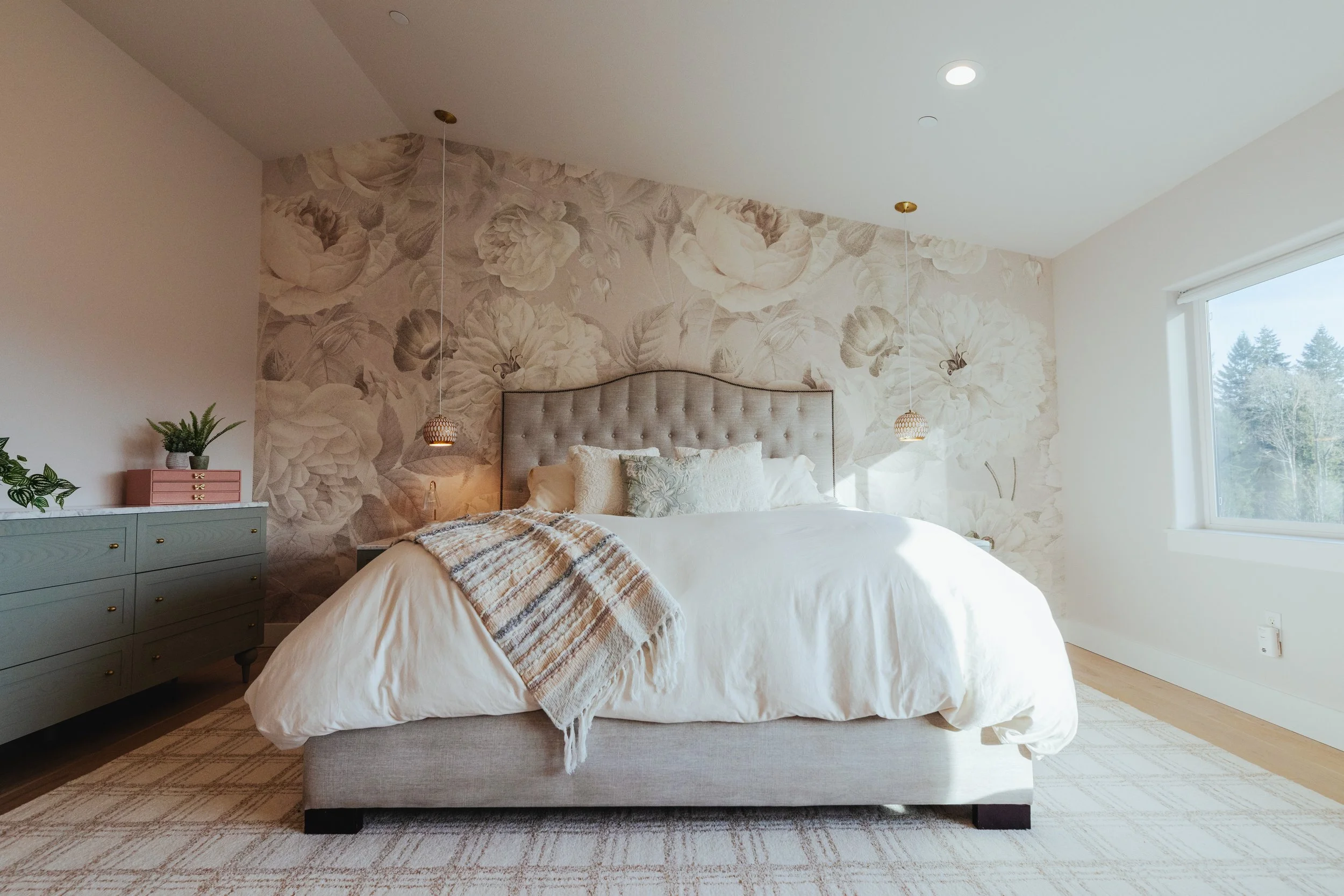
A primary suite should serve as a quiet sanctuary dedicated to rest and rejuvenation. However, poorly planned floor plans often introduce daily friction that directly compromises sleep quality. When a bathroom door opens directly toward the head of the bed, or when a closet light illuminates the entire room during an early morning routine, the space fails its primary purpose.
Designing a bedroom suite for true rest requires more than selecting plush linens and soothing wall colors. It demands thoughtful interior architecture, strategic spatial buffering, and precise sightline management.
At Mise en Place Design, we approach primary suite floor plans with an emphasis on daily flow and human behavior. By evaluating how partners move through their morning and evening routines, we engineer suite layouts that protect deep sleep and provide long-term peace of mind.
Creating Spatial Vestibules and Acoustic Buffers
The most common flaw in standard primary bedroom layouts is placing the ensuite bathroom or walk-in closet doors directly inside the primary sleeping zone. Every opened door, running faucet, or illuminated mirror immediately spills light and sound over the bed.
To establish true acoustic and visual isolation, we integrate intentional spatial buffers into our space planning. Designing walk-in closets as transitional dressing rooms between the bedroom and bathroom allows one partner to wake up, step away, and shower without sending ambient light back into the sleeping area. Offsetting doorway alignments ensures light paths never hit the headboard directly when doors open in the dark, while solid-core pocket doors with perimeter acoustic seals effectively suppress plumbing noise and morning preparation sounds.
Controlling Sightlines and Ambient Lighting Planes
Uninterrupted sleep relies heavily on circadian lighting cues. Light leaking into a dark room suppresses melatonin production, making it difficult to fall back asleep after a minor disturbance. Through detailed architectural planning, we engineer lighting planes that protect the sleeping area.
Integrating soft, motion-activated toe-kick lighting along dressing corridors provides gentle wayfinding at night without turning on bright overhead fixtures. In our construction drawings, we design ceiling pockets that conceal motorized blackout shades, preventing light haloing along the edges of the window frame. Additionally, routing device charging depots inside custom nightstand drawers eliminates glowing LED screens and indicator lights, maintaining an undisturbed, dark environment.

Custom Millwork for Visual Calm and Clutter Free Environments
Visual clutter creates subconscious mental friction, making it harder to unwind at the end of the day. Incorporating tailored custom millwork keeps daily essentials organized and completely out of sight.
Integrated wardrobe storage, custom nightstands with built-in cable management, and architectural headboard niches allow the primary suite to remain uncluttered. When every object has a designated space, the bedroom retains its serene, spa-like atmosphere.
Protecting Suite Design Through Front Loaded Planning
Designing a primary suite that balances luxury aesthetics with effortless daily functionality requires resolving complex spatial layouts long before construction begins.
Through our signature "mise en place" design philosophy, an experienced high end residential interior designer maps every doorway location, electrical switch, and lighting zone during the initial drafting phase. Delivering complete technical specifications and explicit plan sets ensures your builder executes every spatial buffer with absolute precision.
Whether you are remodeling a waterfront home on Bainbridge Island, redesigning a primary suite in Poulsbo, or planning a whole-home overhaul in Silverdale or Gig Harbor, front-loaded layout planning ensures your suite delivers restful solitude for years to come.
Mise en Place Design | NCIDQ & ASID CertifiedSilverdale | Kitsap | Gig Harbor | Port Orchard | Bremerton | Kingston | Poulsbo | Bainbridge Island | Hansville | Seabeck
Designing Custom Cabinets with Metal Accents Without Creating Visual Chaos
Master the mix without the mess. Combining contrasting cabinetry finishes and hardware metals is key to a rich, multi-dimensional home, but without structure, it quickly leads to visual clutter. Discover how Mise en Place Design uses strict finish ratios, undertone matching, and front-loaded material specification to engineer cohesive, balanced kitchen remodels across Kitsap County, Bainbridge Island, and Silverdale.
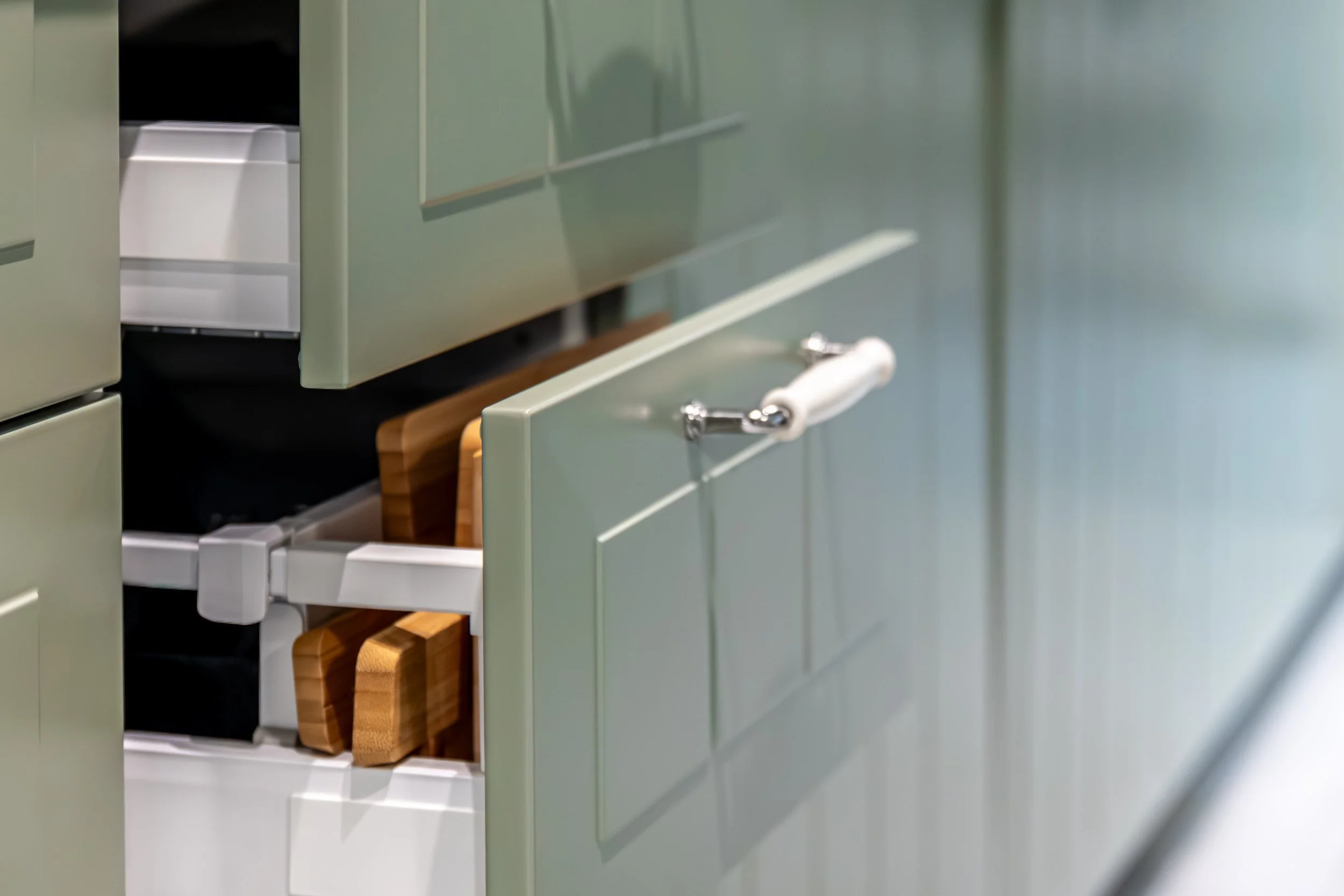
Incorporating metal accents directly into cabinetry design is one of the most effective ways to elevate a modern luxury kitchen. From delicate brass inlays and blackened steel door frames to woven metal mesh inserts and integrated channel pulls, metallic detailing brings an undeniably rich, architectural layer to custom cabinetry.
However, introducing metal elements directly into wood or painted millwork carries significant design risk. Without strict visual restraint, metal accents can easily look harsh, overly industrial, or cluttered.
At Mise en Place Design, we approach material specification through a disciplined interior architecture lens. By controlling proportion, selecting complementary wood tones, and detailing exact fabrication tolerances, we integrate metal accents into custom cabinetry so they feel seamless, refined, and timeless.
Strategic Placement for Integrated Metal Detailing
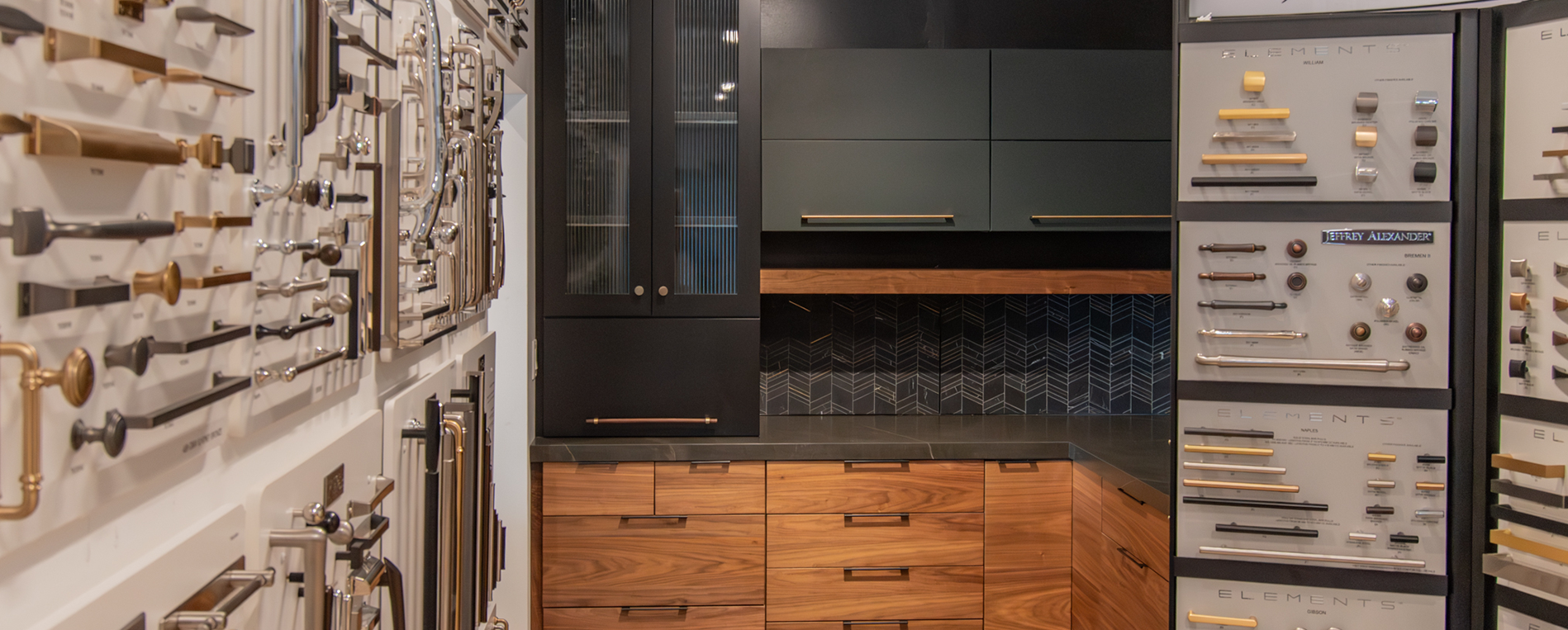
The secret to successfully incorporating metal accents into cabinetry is restraint. Metal should act as a deliberate architectural frame or subtle highlight, not a competing surface that overpowers the room.
To maintain visual balance across your custom kitchen cabinets, we apply intentional placement rules:
Focal Point Integration: Limit heavy metal detailing—such as brass wire mesh inserts or full metal-framed glass doors—to specific focal zones. A bar area, upper display cabinets flanking a range hood, or a central island footprint are ideal locations.
Proportional Inlays: When embedding metal strips or channel pulls into solid wood doors, keep the profiles slender. A thin, recessed brass or bronze inlay line adds tailored elegance without overwhelming the natural beauty of the wood grain.
Grounding Neutral Perimeters: Surround metal-accented cabinetry sections with clean, unadorned perimeter cabinets. This negative space allows the metallic craftsmanship to shine without forcing the entire kitchen to compete for attention.
Balancing Metal Finishes with Wood and Paint
Metals reflect light differently than natural wood or painted millwork. Pairing a warm metal accent with the wrong wood species creates uncomfortable visual friction.
A specialized kitchen and bath designer evaluates how materials interact under local Pacific Northwest light:
Warm Brass and Bronze Accents: Rich, unlacquered brass or antique bronze detailing pairs effortlessly with warm, organic wood grains like rift-sawn white oak or deep walnut, as well as warm-toned painted cabinets.
Blackened Steel and Iron Accents: Darker, industrial metal trims provide crisp, graphic contrast against light neutral cabinetry or natural stone backsplashes.
Unified Hardware Tones: Ensure that standalone cabinet hardware, faucets, and light fixtures align with or complement the integrated cabinet metal. Keeping metallic tones within a single warm or cool family prevents visual noise across the floor plan.

Precision Engineering and Technical Specifications
Integrating metal into wood or composite cabinetry is an advanced fabrication exercise. Metal expands and contracts at a completely different rate than natural wood. Attempting to fit metal trims or mesh inserts without precise technical planning leads to warping, visible gaps, or field installation errors.
Through our signature "mise en place" design philosophy, we resolve these physical variables long before fabrication begins. We produce exhaustive construction drawings and technical specifications that outline exact shop routing profiles, expansion tolerances, and fastener details for your cabinet maker.
Detailed planning ensures every metal channel sits perfectly flush and every metal-framed door operates smoothly. The result is a flawless, stress-free build that translates your design vision into an operationally robust, beautifully tailored kitchen.
Whether you are remodeling a waterfront estate on Bainbridge Island, modernizing a kitchen in Poulsbo, or redesigning a primary residence in Silverdale or Gig Harbor, disciplined architectural detailing ensures exceptional results.
Mise en Place Design | NCIDQ & ASID CertifiedSilverdale | Kitsap | Gig Harbor | Port Orchard | Bremerton | Kingston | Poulsbo | Bainbridge Island | Hansville | Seabeck
Architectural Lighting Topology for the Modern Luxury Kitchen
Illuminate your kitchen with architectural purpose. Discover how moving beyond basic overhead recessed lights to a multi-layered lighting topology transforms your culinary environment. Learn how Mise en Place Design uses task lighting, warm-dimming technology, and precise construction drawings to elevate luxury kitchen remodels across Kitsap County, Bainbridge Island, and Silverdale.
Lighting is the invisible architecture of a luxury home. While custom millwork, rare quartzite countertops, and high-end appliances draw the immediate eye, it is the lighting scheme that governs how those materials feel, how spatial depth is perceived, and how comfortably you live in the space throughout the day.
For years, standard kitchen lighting consisted of a grid of ceiling-recessed can lights paired with decorative island pendants. Unfortunately, relying solely on overhead downlights punctures the ceiling envelope and washes out rich stone textures, casting harsh shadows over prep surfaces.
In high-end luxury kitchen remodel design, we replace basic lighting grids with a sophisticated lighting topology—a layered, multi-dimensional system that seamlessly transitions your culinary hub from a bright morning prep environment into an intimate evening entertaining space.
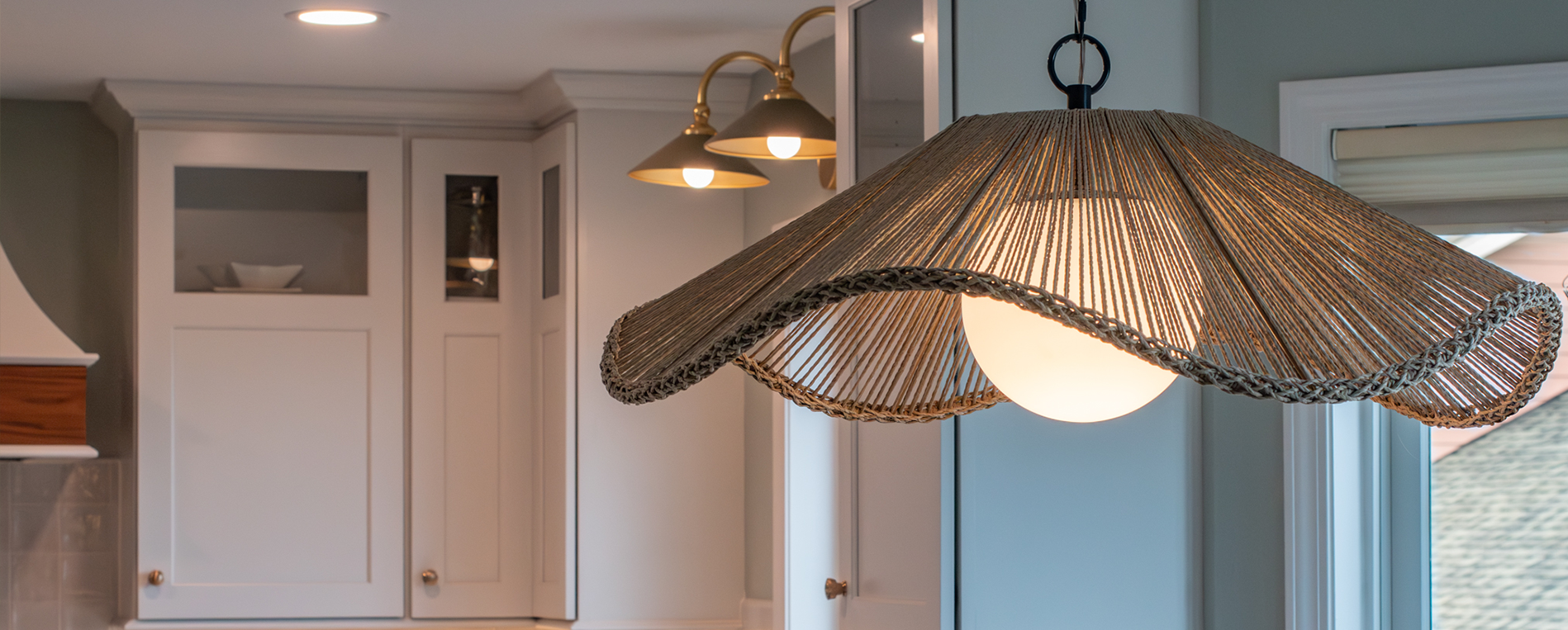
At Mise en Place Design, we treat lighting design as an integral element of interior architecture. By mapping light sources early alongside your cabinetry and spatial layout, we create dynamic, glare-free environments that highlight your home's natural materials.
The Four Essential Layers of Architectural Kitchen Lighting
A successful lighting topology relies on distinct, independently controlled layers. Each layer serves a specific functional or aesthetic purpose, working together to create a balanced visual landscape across your open floor plan.
Concealed High-Performance Task Lighting: True task lighting should illuminate your work surfaces without revealing the light fixture itself. We recess continuous, low-voltage LED channels into the underside of upper cabinets and floating shelves. This positions continuous, shadow-free light directly onto counter spaces where meal preparation occurs.
Architectural Ambient Lighting: To illuminate the overall room volume without relying on harsh overhead glare, we integrate plaster-in linear LED slots flush with the drywall, as well as indirect ceiling cove lighting. Bouncing soft light off the ceiling plane elevates the perceived height of the room and creates a warm, airy atmosphere.
Accent and Spatial Grounding Lights: Accent lighting introduces depth and drama to custom cabinetry and architectural features. We specify micro-aperture display lights inside glass-front cabinetry to highlight artisan glassware, and place subtle toe-kick accent lighting under the island footprint to give heavy stone structures a floating, weightless appearance at night.
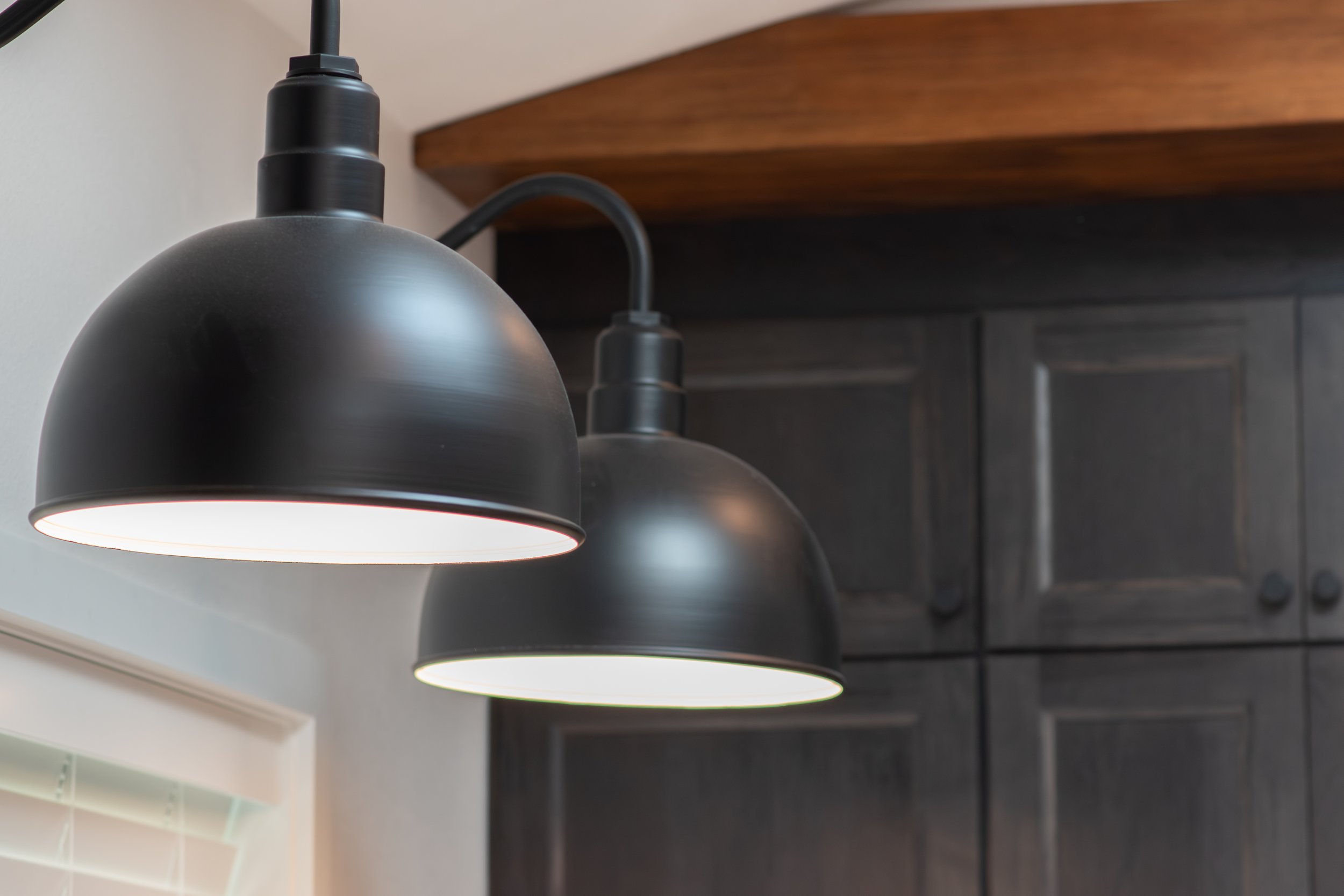
Focal Point Decorative Fixtures: Island pendants serve as the visual jewelry of the room. Rather than relying on them as primary light sources, we select fixtures for their architectural proportion and material artistry, allowing the hidden linear and task lighting layers to handle the actual illumination load.
The Atmosphere Shift with Warm Dimming Technology
The atmosphere of your kitchen should naturally evolve as the sun sets over the Puget Sound. A space that requires crisp, clear light for prepping morning meals should feel warm, relaxing, and ambient when hosting a dinner party.
Achieving this fluid transition requires specifying high-CRI (Color Rendering Index) LEDs featuring warm-dimming technology:
Simulating Natural Sunlight: During daytime prep, the system operates at a crisp 3000K (Kelvin) temperature, rendering natural food colors and stone veining with absolute clarity.
Transitioning to Evening Ambiance: As the lights are dimmed for evening entertaining, the color temperature automatically shifts down to a warm, candlelight-inspired 2200K to 2400K, creating a soft, inviting lounge environment.
Concealed System Controls: To maintain clean architectural lines, heavy LED drivers and transformers are mapped into accessible, concealed locations within nearby utility cabinets or pantry spaces during initial space planning, eliminating visible wall clutter.
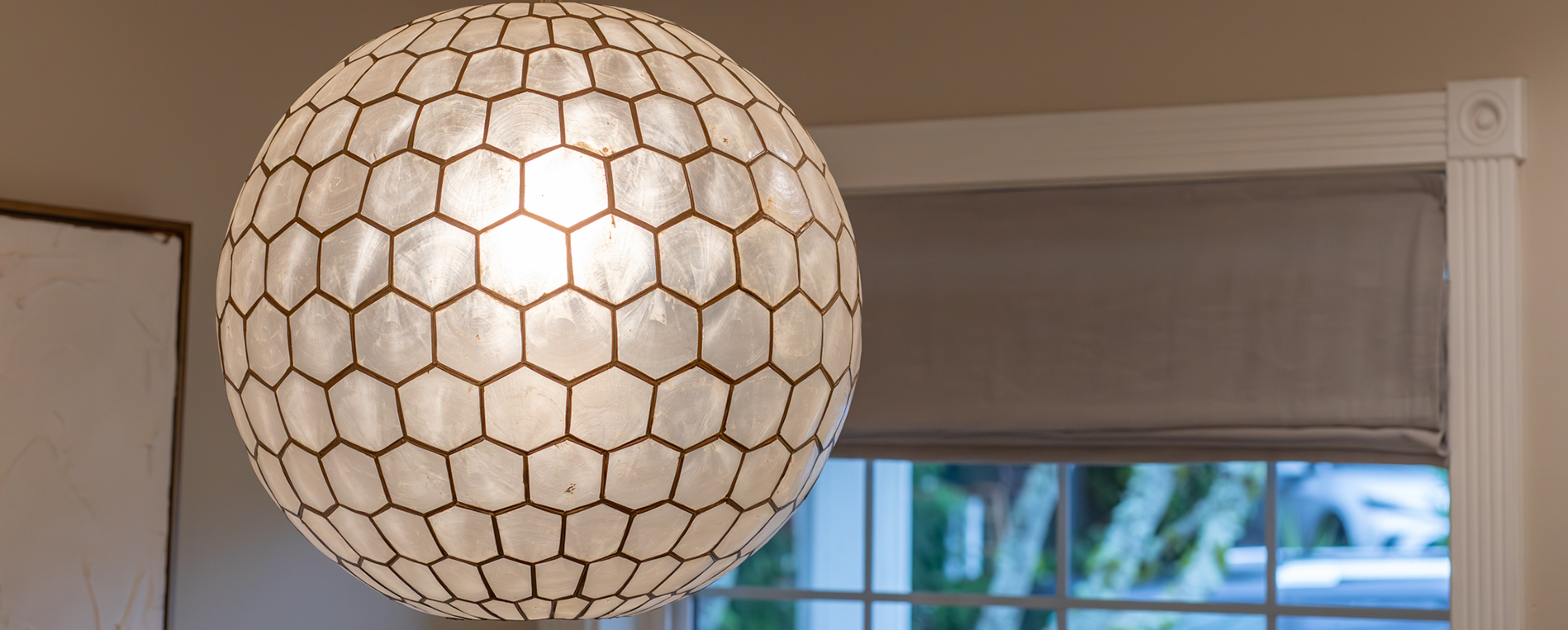
Front Loaded Lighting Integration with a Mise en Place Strategy
Executing a sophisticated lighting topology requires intense coordination long before drywall is installed. The placement of a linear LED channel or a recessed plaster-in trim depends entirely on the exact millimeter dimensions of your custom kitchen cabinets and stone splash heights.
Through our signature "mise en place" design philosophy, a specialized kitchen and bath designer coordinates lighting parameters early within your complete technical specifications.
We produce exhaustive construction drawings that map every low-voltage driver, switch leg, dimming zone, and ceiling cutout in advance. When your general contractor and electrical team receive these precise plans, every wire is routed with exact purpose, preventing costly field relocations and ensuring your lighting system performs with flawless elegance.
Whether you are designing a modern waterfront kitchen on Bainbridge Island, modernizing a primary residence in Poulsbo, or planning a complete home overhaul in Silverdale or Gig Harbor, front-loaded lighting design transforms a standard remodel into an extraordinary culinary sanctuary.
Mise en Place Design | NCIDQ & ASID CertifiedSilverdale | Kitsap | Gig Harbor | Port Orchard | Bremerton | Kingston | Poulsbo | Bainbridge Island | Hansville | Seabeck

Determining the Perfect Kitchen Island Scale for Open Concept Living
Get the proportions right from the start. Sizing a kitchen island in an open-concept layout is a delicate spatial balancing act. Discover how Mise en Place Design calculates walkway buffer zones, seating overhang clearances, and visual ratios to proportion the perfect island. Learn how advanced space planning and custom millwork elevate kitchen remodels across Kitsap County, Bainbridge Island, and Silverdale.
In modern open-concept home design, the kitchen island is far more than a preparation counter. It is the architectural anchor that bridges the culinary zone with adjacent dining and living environments. It serves as a morning breakfast bar, an evening social hub, a homework station, and the primary workhorse for daily meal prep.
Because of its central prominence, getting the scale of a kitchen island right is one of the most critical spatial decisions in a luxury kitchen remodel. An island that is too small looks lost in a sweeping room, cheapening the surrounding architecture. Conversely, an island that is overly massive chokes traffic lanes, creates awkward physical reaches, and dominates the open floor plan.
At Mise en Place Design, we approach island proportioning through a lens of spatial ergonomics and interior architecture. Before specifying marble slabs or cabinet finishes, we calculate the precise physical geometry required to ensure your island enhances both sightlines and daily movement.
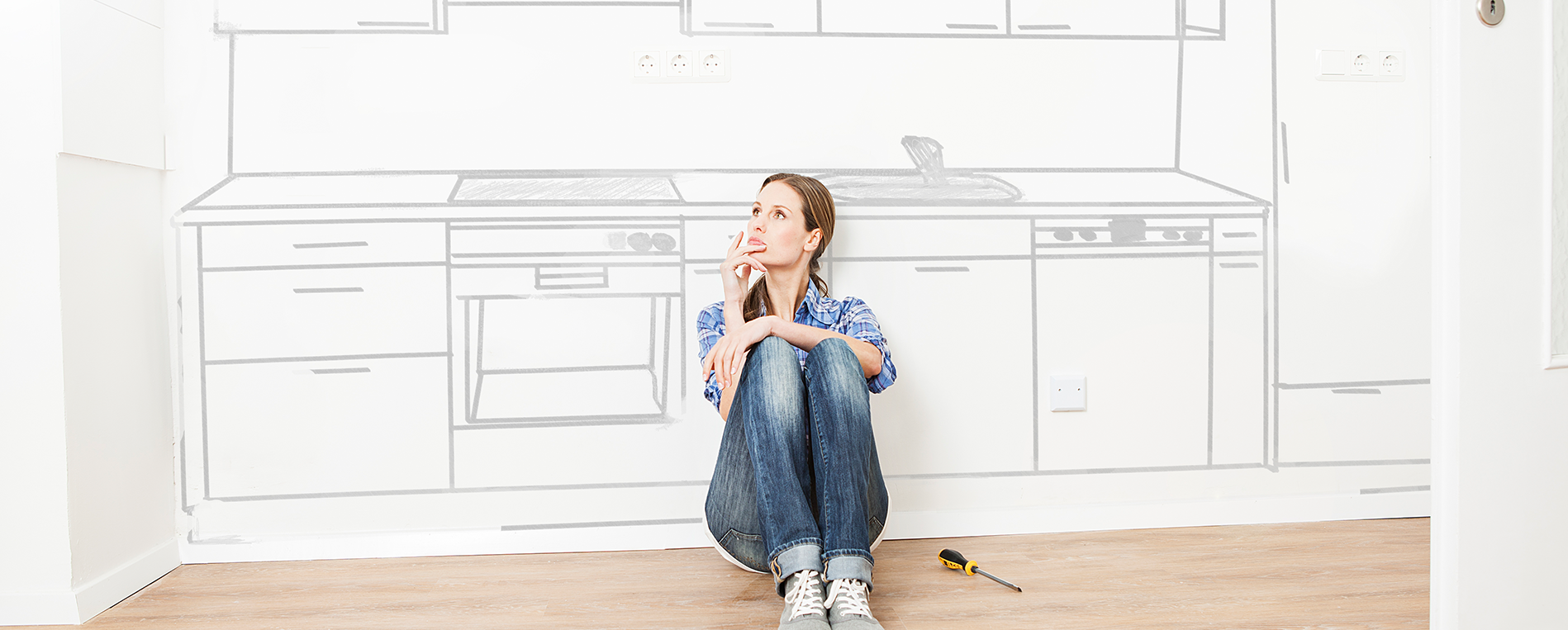
Calculating Functional Walkway Buffer Zones and Clearances
A beautiful island fails immediately if you find yourself squeezing past family members or bumping into open appliance doors. The true scale of an island is dictated not just by the countertop dimensions, but by the negative space surrounding it.
When we map out a high-performance kitchen layout during initial space planning, we maintain strict architectural clearance standards:
Primary Work Aisle Widths: In a kitchen where multiple cooks operate simultaneously, walkways between the island and perimeter cabinets should measure between 42 and 48 inches. This buffer allows dishwasher doors and oven racks to extend fully without blocking the flow of traffic.
Seating Overhang and Knee Clearance: For standard counter-height islands (36 inches high), comfortable seating requires a minimum countertop overhang depth of 15 inches. This depth provides generous legroom so guests can sit naturally without knocking their knees against the back of the custom kitchen cabinets.
Entertainment Clearance Behind Stools: Behind seated guests, traffic lanes should measure at least 48 to 60 inches to allow family members to walk comfortably behind occupied barstools without disturbing the dining experience.
Proportioning Visual Weight in Open Floor Plans
In an open-concept layout, an island must be proportioned relative to the entire room volume, not just the kitchen footprint. The island should mirror the ceiling height, window placement, and scale of surrounding living room furniture.
Length to Width Ratios: A well-proportioned island generally maintains a ratio where the length is roughly two to two-and-a-half times its width. An island that is too deep (beyond 4.5 feet) becomes difficult to clean in the center without stretching awkwardly across the surface.
The Single Island vs Dual Island Balance: In expansive, great-room environments where a single island would need to exceed 12 feet to fill the scale, we often evaluate a dual-island configuration. This approach separates the primary prep zone from the social entertaining hub, keeping guests involved without impeding the chef.
Overhead Lighting Scale: The visual scale of an island extends vertically. Statement pendant lighting and island range hoods must be sized proportionally to the counter below. Pendants that are too small appear like floating dots, while oversized fixtures block sightlines across the open floor plan.
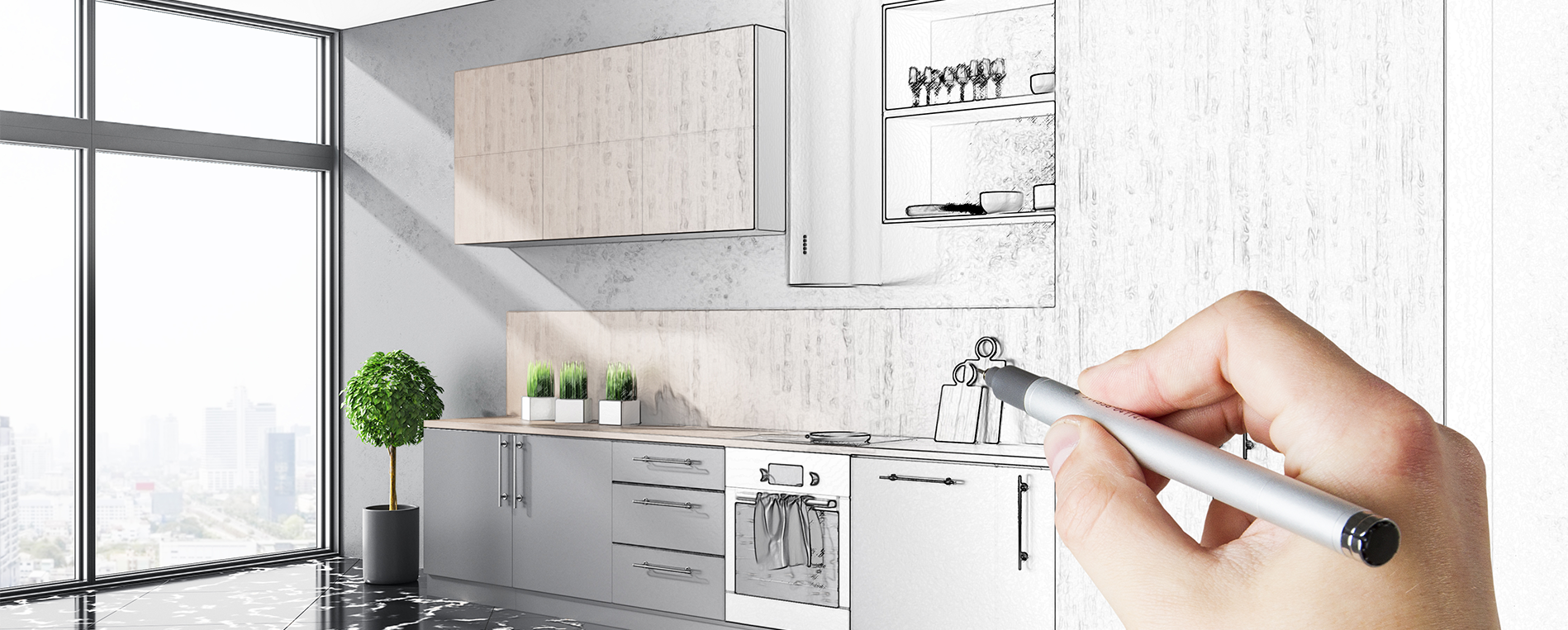
Translating Spatial Planning into Custom Millwork Specifications
Achieving a perfectly scaled island demands integrating functional features directly into custom millwork long before construction begins. An island is a three-dimensional cabinet structure that must house plumbing, electrical outlets, trash pull-outs, and storage seamlessly.
Through our signature front-loaded approach, we detail these internal systems in our technical specifications and construction drawings. We map sink locations to align with overhead lighting axes, integrate discreet power outlets into cabinet end panels, and engineer structural support steel under stone waterfall edges.
When your general contractor receives these explicit plans, there is zero guesswork on site. Every dimension is verified, ensuring the finished island installs cleanly, functions effortlessly, and anchors your home with timeless architectural proportion.
Whether you are updating a waterfront estate on Bainbridge Island, modernizing a kitchen in Poulsbo, or redesigning a luxury home footprint in Silverdale or Gig Harbor, designing with precise scale ensures your kitchen performs as beautifully as it looks.
Mise en Place Design | NCIDQ & ASID CertifiedSilverdale | Kitsap | Gig Harbor | Port Orchard | Bremerton | Kingston | Poulsbo | Bainbridge Island | Hansville | Seabeck
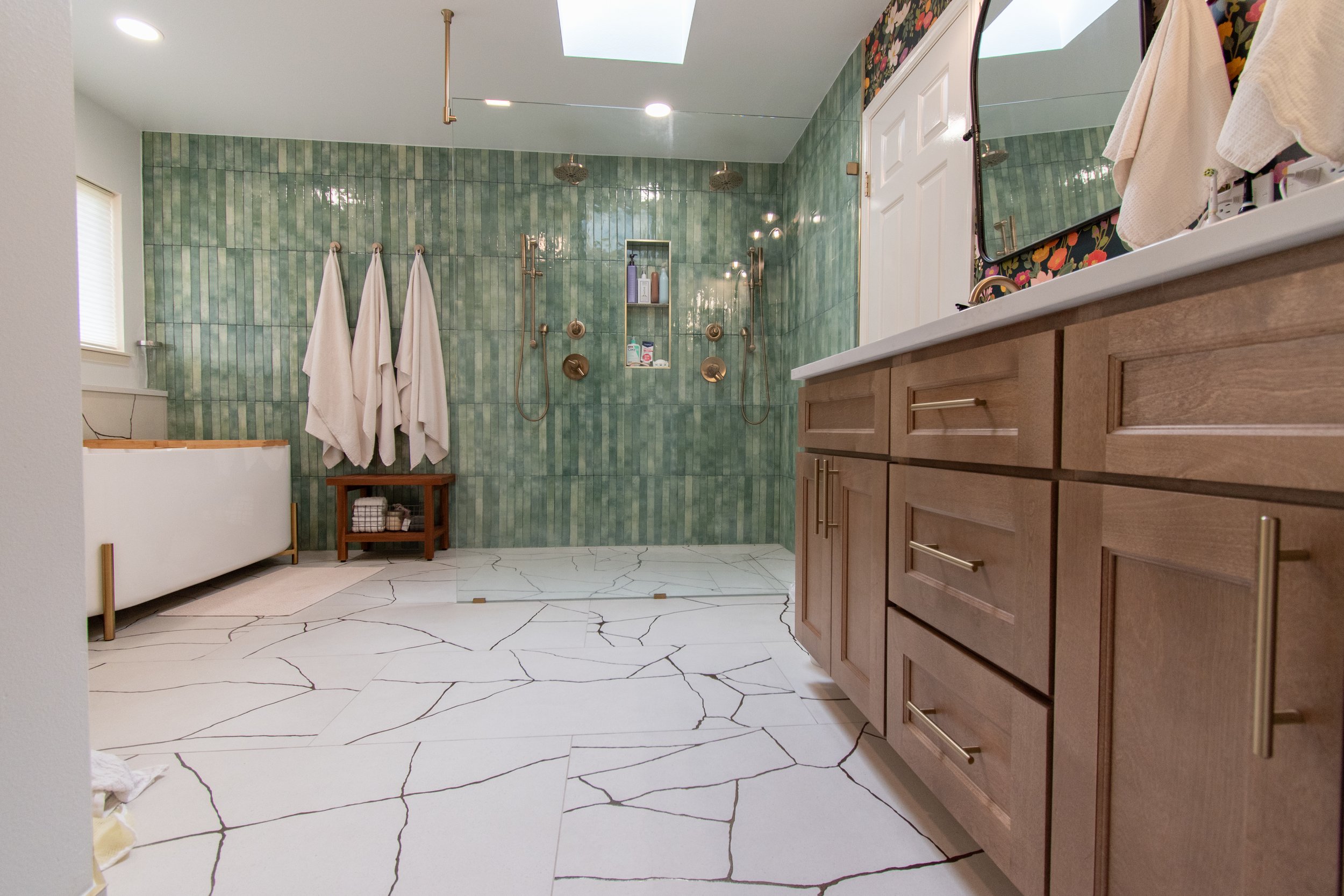
The Structural Reality of Engineering Curbless Wet Room Bathrooms
Flush thresholds demand deep structural engineering. Discover what it takes to design a seamless curbless wet room shower. From dropping subfloor joists and calculating slope ratios to full-room tanking membranes, Mise en Place Design breaks down the hidden technical infrastructure required for a zero-threshold luxury bathroom. Learn how advanced construction drawings protect your home across Kitsap County, Bainbridge Island, and Silverdale.
A curbless, walk-in wet room shower represents the peak of modern bathroom architecture. By removing the traditional raised shower curb, glass enclosures, and compartmentalized tub decks, a wet room layout creates an unbroken plane of floor tile that instantly expands the visual volume of a primary suite.
However, achieving that seamless, zero-threshold floor transition is not a simple matter of omitting a shower curb during tile installation. In reality, a curbless shower is a complex engineering feat that requires modifying the hidden structural skeleton beneath your floorboards.
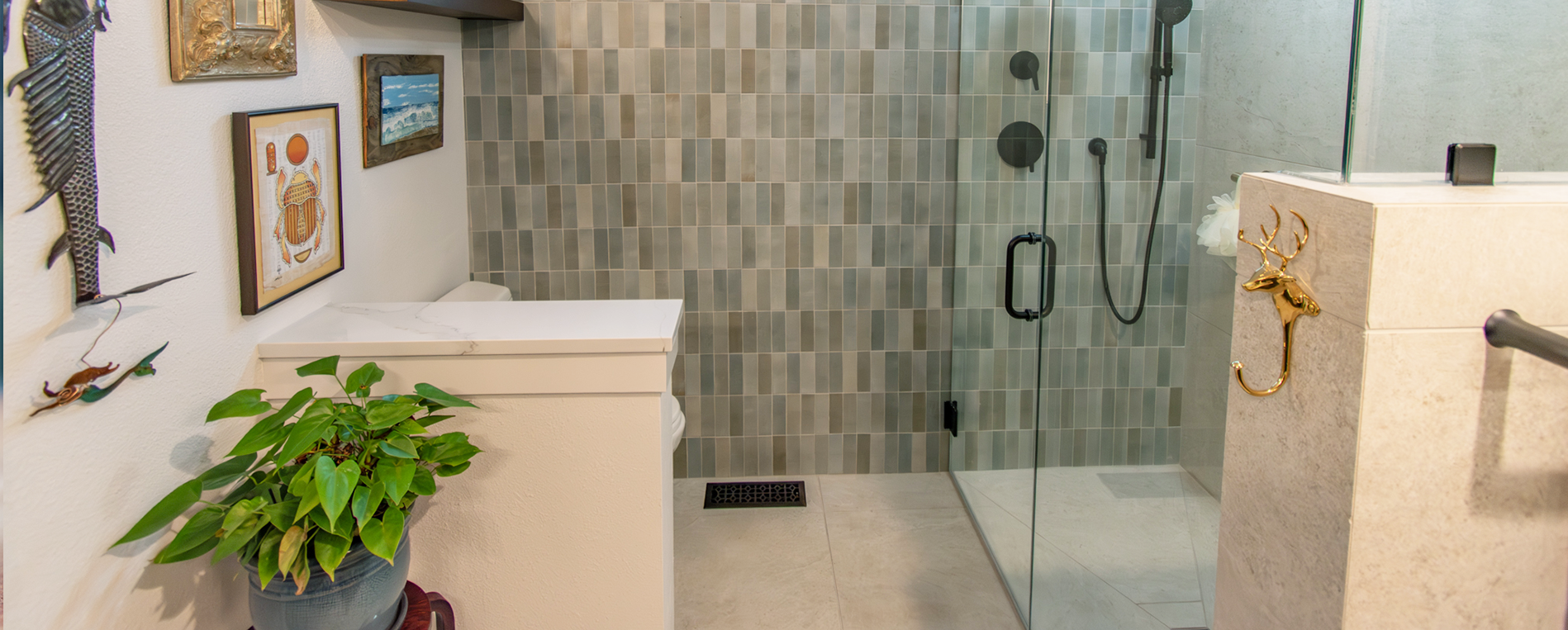
At Mise en Place Design, we approach luxury bathroom renovations from an interior architecture perspective. Before choosing tile patterns or plumbing finishes, we engineer the physical infrastructure required to manage gravity, water flow, and structural load paths safely.
Modifying the Subfloor Framing to Accommodate Drain Slope Ratios
Building code mandates that a shower floor must slope downward toward the drain at a minimum pitch of one-quarter inch per foot. In a conventional shower, this elevation change is hidden behind a 2-inch to 4-inch raised curb. To create a completely flush transition where the bathroom floor meets the shower pan, that entire slope must be recessed directly into the floor structure.
Lowering the Subfloor Joists: To achieve a flush threshold, the floor joists within the shower footprint must be dropped or notched and reinforced with sistered structural lumber. Alternatively, engineered joist systems can be designed during initial drafting to accommodate a lowered subfloor tray.
Pre-Sloped Structural Trays: We specify heavy-duty, high-density foam or prefabricated composite shower pans that sit directly on top of lowered subfloor framing. These trays guarantee the exact code-compliant pitch without adding excessive weight or thickness to the floor assembly.
Calculating Finished Floor Heights: The thickness of your primary bathroom floor tile, tile thinset, uncoupling membrane, and underfloor heating elements must be calculated simultaneously to ensure the bathroom floor meets the shower slope at the exact same plane.
Continuous Tanking and Waterproofing Infrastructure
Because a true wet room eliminates the physical barrier of a curb, the entire bathroom floor must be treated as a potential water zone. Water vapor and overspray will travel beyond the immediate shower footprint, making whole-room waterproofing mandatory.
Full-Room Tanking Membranes: We specify continuous sheet waterproofing membranes that cover the entire subfloor of the bathroom, extending up the walls at least 6 to 8 inches. Every seam, pipe penetration, and wall-to-floor junction is sealed with waterproof banding.
Flood Testing Before Tile Installation: Before a single tile is laid, the shower pan and surrounding waterproofing membrane are plugged and filled with water for 24 hours. Performing a rigorous flood test catches any micro-imperfections in the membrane while the structural framing is still accessible.
Integrated Uncoupling Protections: To prevent tile grout lines from cracking due to seasonal expansion and contraction of the wood subfloor, we layer uncoupling membranes beneath the tile across the entire room.
Linear Drains and Drain Placement Mechanics
Traditional showers utilize a central point drain, which requires a multi-directional slope that restricts your flooring options to small mosaic tiles. In contrast, modern curbless wet rooms frequently utilize linear drains, which alter both the aesthetic and the underlying plumbing layout.
Single-Plane Pitching: A linear drain positioned against a back wall allows the floor to slope in a single, continuous direction. This structural geometry enables the use of large-format porcelain tiles across the entire shower floor without awkward diagonal tile cuts.
Waste Line Re-routing: Installing a linear drain requires precise mechanical coordination. The larger waste trough must fit neatly between floor joists, requiring early technical drafting to avoid conflicts with main structural beams or lower-level ceiling runs.
High-Capacity Flow Rates: High-output rain showerheads and body sprays generate significant water volume. Linear drains are specified to handle these high gallons-per-minute flow rates, preventing water from pooling near the threshold.
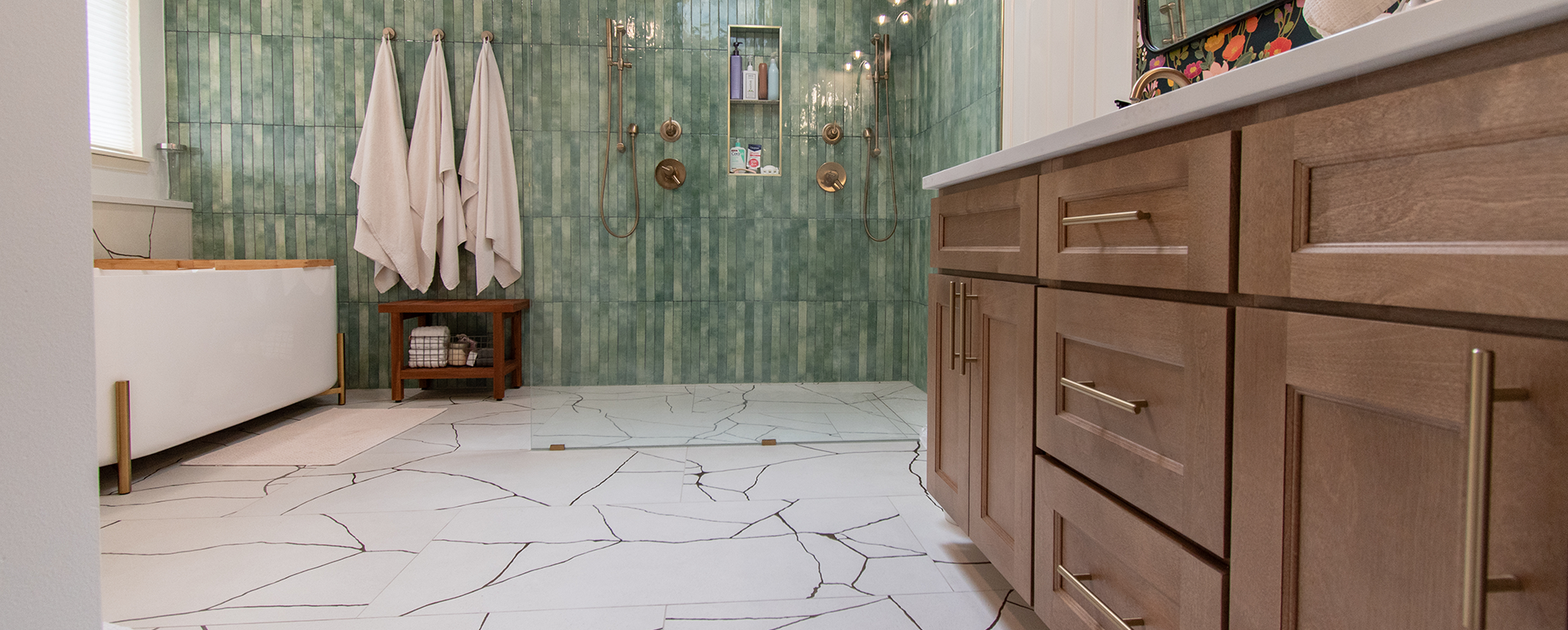
Front Loaded Engineering with a Mise en Place Strategy
Successfully executing a curbless wet room bathroom demands absolute technical preparation long before demolition begins. This is why we practice our signature "mise en place" design philosophy. We resolve the complex structural, mechanical, and waterproofing equations on paper early so your build team can execute the work with total confidence.
By delivering exhaustive construction drawings and explicit technical specifications to your general contractor, we protect your investment from unexpected field modifications and budget inflation.
Whether we are engineering a primary suite in Bainbridge Island, modernizing a luxury bathroom layout in Poulsbo, or managing a full-scope remodel in Silverdale, our front-loaded architectural process delivers a bathroom that performs with complete operational robustness for decades to come.
Mise en Place Design | NCIDQ & ASID CertifiedSilverdale | Kitsap | Gig Harbor | Port Orchard | Bremerton | Kingston | Poulsbo | Bainbridge Island | Hansville | Seabeck

Why Proactive Material Selection Keeps Your Premium Renovation on Schedule
Beat construction delays before they start. Industry realities show that waiting to select custom materials is the primary driver of major renovation stalls. Discover how Mise en Place Design uses a rigorous, front-loaded approach to material specification and technical drafting to lock in luxury supply chains across Kitsap County. Learn how early architectural planning protects timelines, eliminates field errors, and ensures a seamless build from Bainbridge Island to Gig Harbor.
When planning a premium residential transformation, the natural tendency is to assume that construction delays are caused by field errors, weather anomalies, or permitting holdups. While those elements certainly carry risk, the number one silent killer of luxury remodeling timelines happens long before a contractor ever steps foot on the property. It lies deep within the logistics of procurement.
A major whole-house renovation design or a sophisticated kitchen and bath remodel requires highly specialized finishes to achieve a world-class standard. Custom marble slabs, hand-glazed architectural tiles, luxury European plumbing fixtures, and bespoke wood finishes are not sitting on a shelf waiting to be picked up. They are manufactured to order and shipped globally.
At Mise en Place Design, we know that managing a luxury timeline requires strict operational discipline. By utilizing a highly organized, front-loaded approach to material specification, we secure your lead times early, insulate your project from supply chain friction, and keep your build team running efficiently from day one.

The Logistical Reality of the Luxury Supply Chain
The primary difference between standard building materials and high-end design elements is the time it takes to move them from the manufacturer to your front door. In premium design, waiting until a specific trade contractor is on-site to pick out your finishes is a guaranteed path to timeline collapse.
When you look at the hidden timeline of custom procurement, the operational necessity of early selection becomes instantly clear:
Custom Millwork and Cabinetry Production: True custom kitchen cabinets require dedicated engineering, shop drawing reviews, and precise manufacturing times. Vetting species like premium rift-sawn white oak in person at a hub like our studio ensures production queues are booked months before framing starts.
Specialized Plumbing Configurations: High-performance, concealed shower valves or integrated luxury plumbing fixtures from European architectural brands operate on completely different lead schedules than big-box alternatives. Ordering these components early ensures the structural rough-ins match the technical requirements perfectly.
Tailored Architectural Surfaces: Unique ceramic tiles or rare natural stone slabs require significant curation, cutting, and freight coordination. Securing batch runs ensures total color consistency across your entire surface footprint.
Why Early Specifications Create an Ironclad Technical Roadmap
Locking in your technical specifications early does far more than just beat long lead times. It provides your general contractor and full-scope home remodelers with the absolute metric clarity required to build without errors.
Every premium finish carries unique physical realities that directly impact the hidden systems behind your drywall. A luxury zero-threshold stone shower tray requires specific subfloor framing heights. A custom integrated light fixture needs explicit electrical blocking and driver locations mapped into the initial construction drawings.
If these decisions are delayed, your build team is forced to install standard rough-ins based on generic assumptions. When your tailored materials finally arrive months later, the contractor is frequently faced with costly mechanical conflicts. This friction results in reactive field change orders, torn-out drywall, and massive budget inflation.
By practicing a rigid "mise en place" design philosophy—organizing, detail-mapping, and ordering every single physical element before demolition begins—we eliminate the guesswork that causes accidental construction stalls.

Protecting Your Timeline and Sanity Across the Peninsula
Our studio bridges the gap between creative execution and rigorous project management. We handle the entire procurement pipeline, from initial concept development and physical material vetting to ordering logistics and tracking delivery milestones. This ensures that every fixture, surface, and custom trim component arrives on the job site exactly when the builder needs it.
Whether we are modernizing a historic estate on Bainbridge Island, overseeing a contemporary waterfront build in Gig Harbor, or coordinating a luxury kitchen layout in Poulsbo or Silverdale, our highly detailed preparation provides local building departments with explicit permit documentation and gives you complete peace of mind.
Investing in an interior architecture firm that prioritizes advanced procurement coordination means choosing a predictable, controlled transformation. By managing the variables on paper and securing the supply chain early, we ensure your high-end investment moves seamlessly from an inspired digital visualization into an operationally robust, beautifully completed home
Mise en Place Design | NCIDQ & ASID CertifiedSilverdale | Kitsap | Gig Harbor | Port Orchard | Bremerton | Kingston | Poulsbo | Bainbridge Island | Hansville | Seabeck
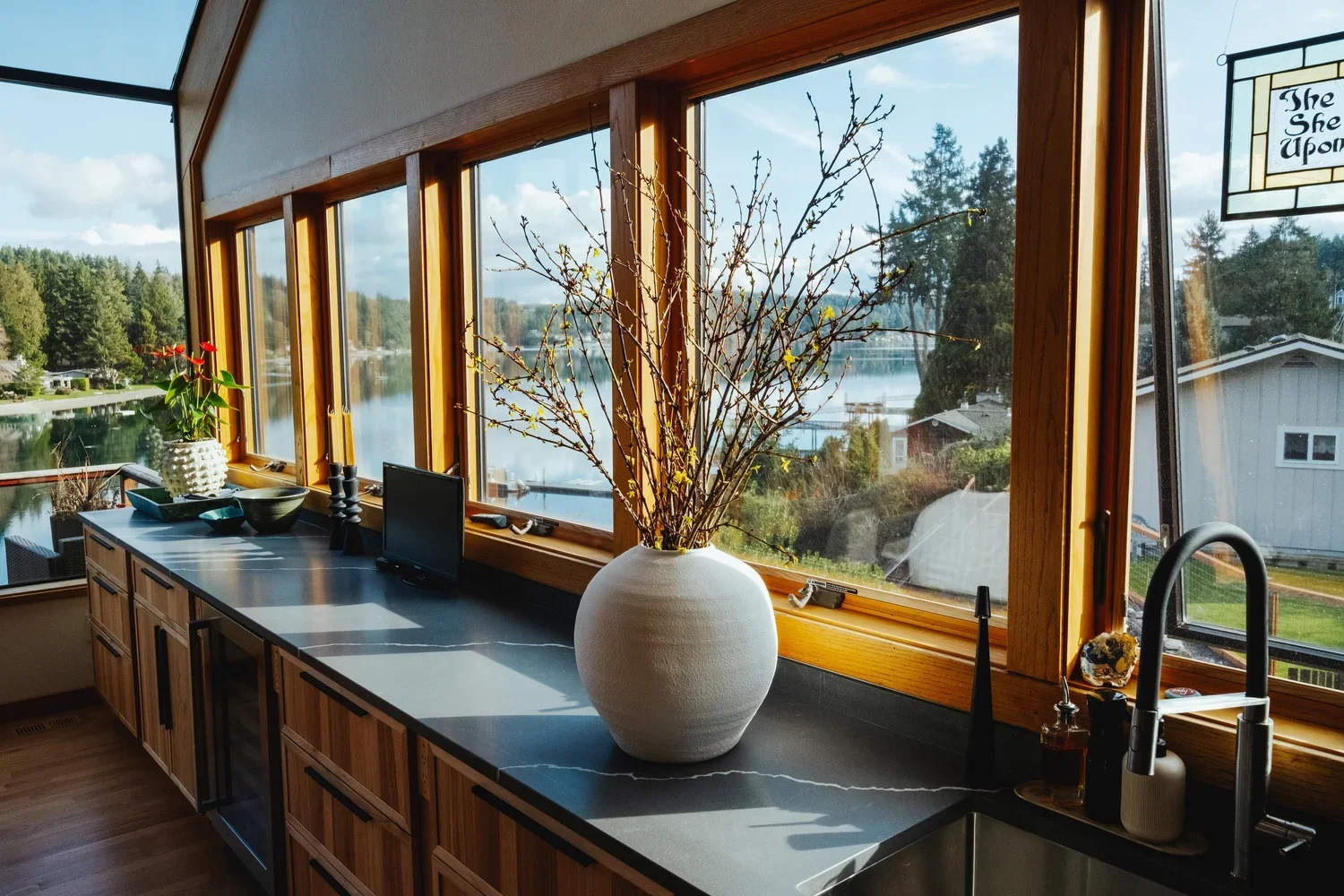
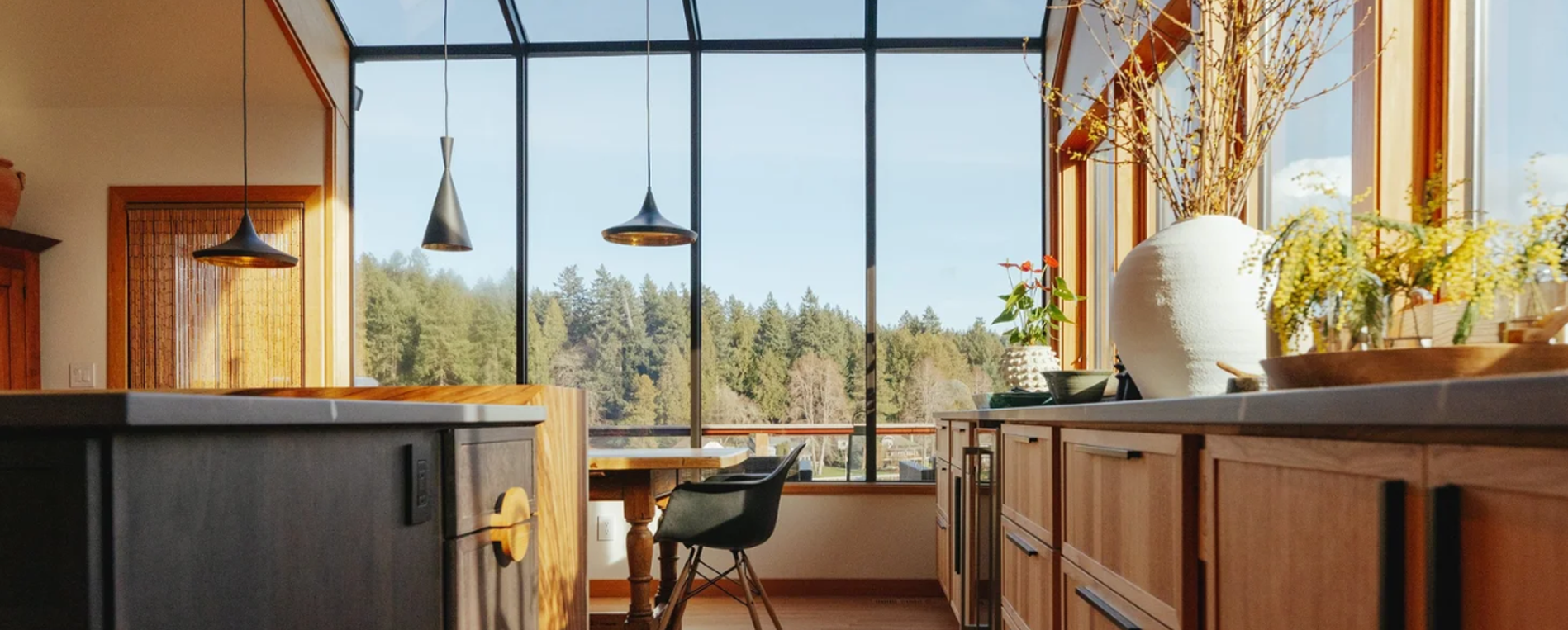
The Architectural Tradeoffs of Designing Around a Panoramic Puget Sound View
Before you tear down your walls, understand the tradeoffs. Designing a home around a panoramic Puget Sound view requires balancing strict coastal building codes, intense water glare, and a sudden loss of interior wall space. Discover how Mise en Place Design uses rigorous space planning, advanced technical drafting, and proactive structural coordination to protect waterfront investments across Kitsap County. Learn why a front-loaded design strategy is essential for turning a spectacular view into an operationally robust home.
There is a distinct magic to living on the edge of the Kitsap Peninsula. Whether you are overlooking the shipping lanes from Bainbridge Island, watching the tide pools in Gig Harbor, or looking out at the Olympic Mountains from the bluffs of Poulsbo, a panoramic Puget Sound view is the ultimate natural canvas. It is entirely understandable why homeowners want to tear down dark walls and replace them with endless sheets of glass.
However, designing an entire home around a massive vista is not as simple as swapping drywall for glass. In high-end residential design, a view is an active architectural force. If it is not managed with structural and environmental precision during the initial planning phase, those beautiful windows can quickly make a home uncomfortable, structurally vulnerable, and functionally challenging to live in.
At Mise en Place Design, we believe that true luxury is a balance of breathtaking aesthetics and seamless physical performance. Before you break ground on a waterfront remodel, it is essential to understand the complex architectural tradeoffs that come with a panoramic view and how a disciplined front-loaded approach protects your investment.
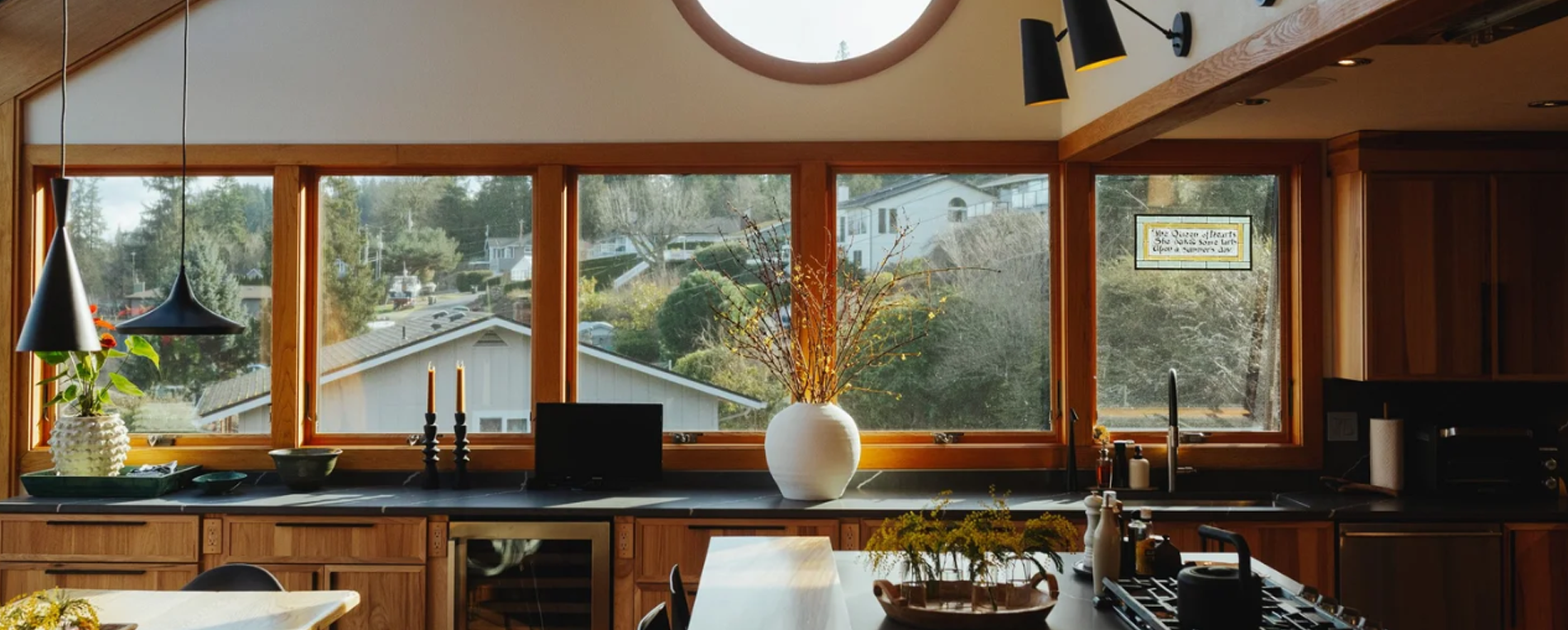
The Structural Battle Between Steel and Glass
In Western Washington, structural engineering is dictated by high wind loads, coastal moisture, and active seismic zones. When you design a home with continuous, floor-to-ceiling glass, you are significantly reducing the amount of traditional wall framing available to resist these natural forces.
To meet strict local building codes and secure successful permit documentation, an interior architecture firm must work hand-in-hand with structural engineers early in the process.
To maintain those uninterrupted sightlines, standard wood framing is often replaced with a costly moment frame—a rigid skeleton of structural steel columns and beams hidden behind the drywall and trim. During the technical drafting for home renovations, we carefully map these steel nodes to ensure they align perfectly with interior walls, keeping the heavy structural support entirely invisible to the naked eye.
Solar Heat Gain and the Threat of Intense Water Glare
A panoramic view brings an immense volume of natural daylight into your living spaces. However, daylight reflecting off the Puget Sound acts like a massive mirror, bouncing intense, concentrated glare directly into your home. This exposure creates two major problems: thermal discomfort and material degradation.
Without the right glass specifications and internal solar controls, a beautiful great room can easily become a greenhouse in the summer, overloading your heating and cooling systems. Furthermore, raw ultraviolet rays will quickly fade expensive custom textiles, premium artwork, and high-traffic hardwood flooring.
The Environmental ChallengeThe Architectural and Design SolutionIntense Water GlareSpecifying deep roof overhangs and integrating motorized, pocketed solar shades into the ceiling trim.Solar Heat GainUsing high-performance, double- or triple-paned glass with advanced low-emissivity coatings.UV Damage to InteriorsRigorous material specification of UV-stable fabrics and choosing rift-sawn white oak with stable, non-yellowing finishes.
Front-Loaded Engineering with a Mise en Place Strategy
Managing these intense environmental, structural, and spatial variables is exactly why we practice our signature "mise en place" design philosophy. Just as a master chef organizes every single element before cooking, we resolve these complex structural trade-offs on paper long before demolition begins.
We don’t believe in making assumptions on an active job site. By producing exhaustive construction drawings that coordinate steel framing, lighting layouts, and material specifications simultaneously, we eliminate the field guesswork that leads to expensive builder change orders.
Whether we are designing a modern estate on Bainbridge Island, a high-bank waterfront home in Gig Harbor, or a contemporary layout in Silverdale, our meticulous preparation ensures your home functions flawlessly, protects your financial investment, and frames your view beautifully for decades to come.
Mise en Place Design | NCIDQ & ASID Certified Silverdale | Kitsap | Gig Harbor | Port Orchard | Bremerton | Kingston | Poulsbo | Bainbridge Island | Hansville | Seabeck
Beyond the Screen How Building a Physical Material Palette Saves Your Remodel
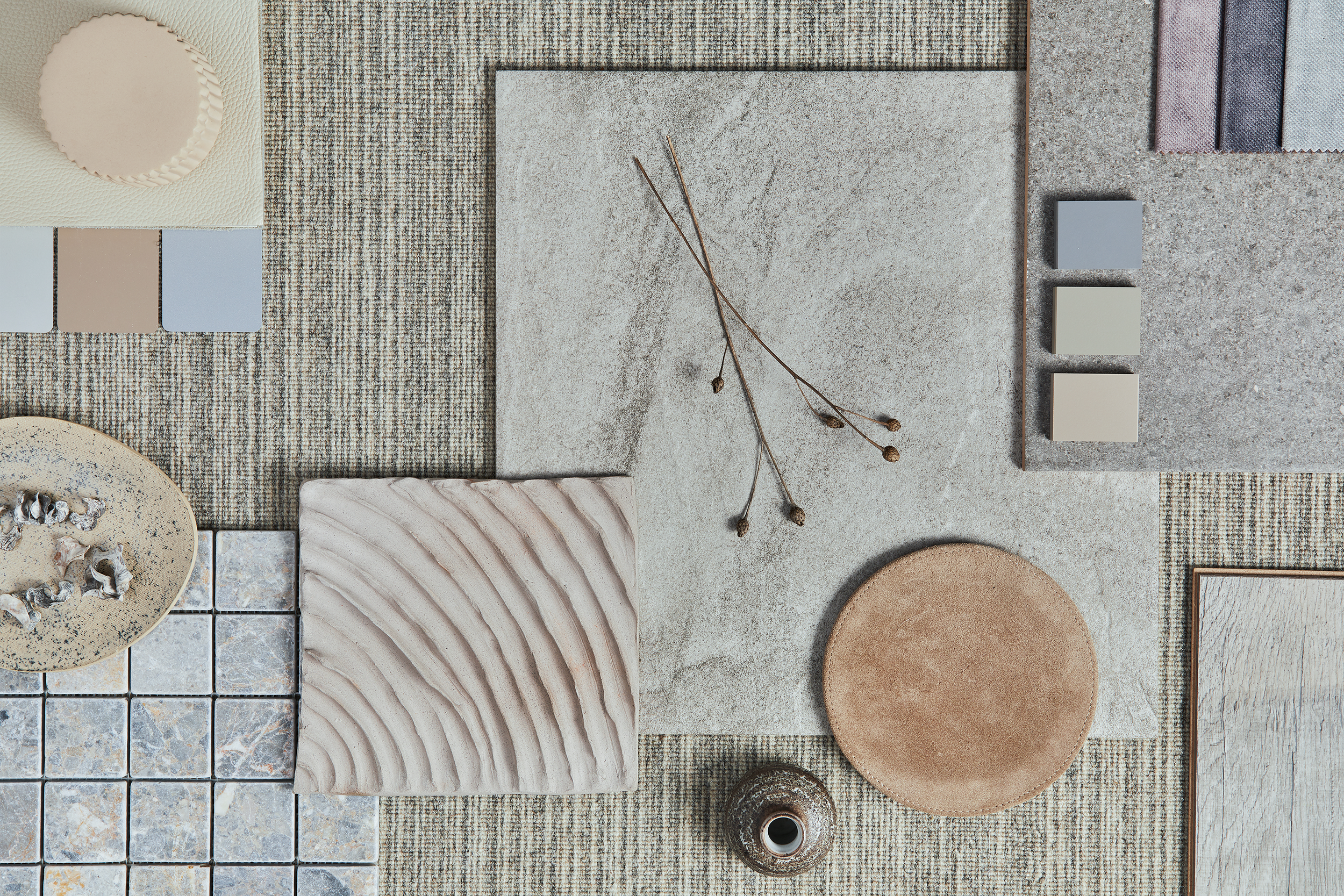
Get your hands on your design. At Mise en Place Design, we believe luxury home remodeling requires stepping away from the computer screen. Discover how our hands-on showroom process uses physical tiles, woods, and textiles to construct a balanced material palette. Learn how layering real textures in our design hub allows us to draft flawless technical specifications that protect budgets and timelines across Kitsap County.
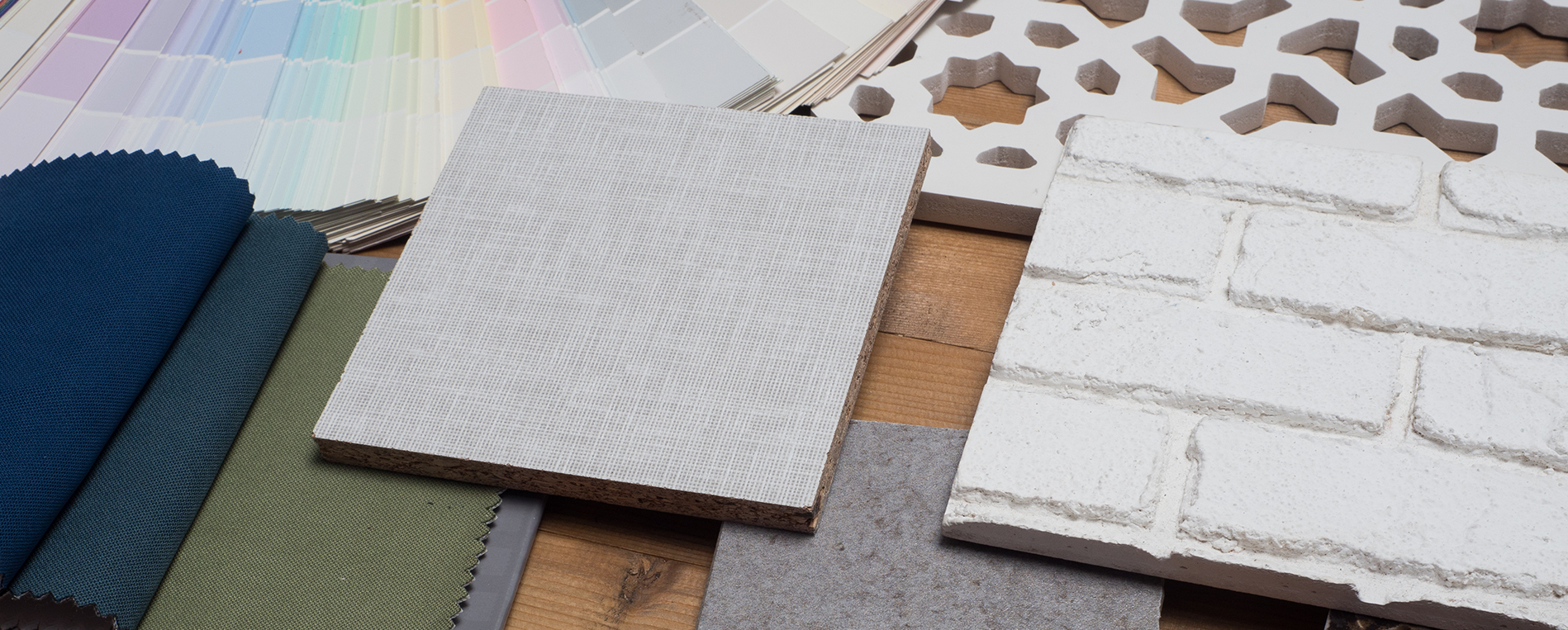
Pinterest boards and digital renderings are excellent tools for gathering initial inspiration, but they hide a dangerous design truth. Pixels lie. A digital image cannot tell you how a textured ceramic subway tile catches the afternoon sun, how a white oak cabinet sample reads under Pacific Northwest light, or how the weave of a luxury performance fabric actually feels against your skin.
At Mise en Place Design, our physical workspace functions exactly like a chef’s prep table. Before we ever finalize a set of construction drawings, we execute a deeply tactile material curation session.
We pull down real tiles, raw wood finishes, stone slab samples, and textiles, layering them together on our worktables to see how they collaborate. This hands-on process turns an abstract vision into a cohesive, physical material palette—ensuring your remodel is structurally sound, visually harmonious, and entirely predictable before construction begins.
Implementing Acoustical Engineering Behind High End Surfaces
The primary driver of privacy issues in modern offices is a lack of early acoustic planning. Sound waves reflect off hard materials like glass desks and uninsulated drywall, turning standard conversations into audible echoes that travel straight under doors and through shared drop ceilings.
To maintain an upscale urban vibe without compromising confidentiality, we integrate acoustical engineering directly into our initial construction drawings.
When viewing the layout of a professionally engineered corporate interior, notice how acoustic control is built directly into the structural skeleton:
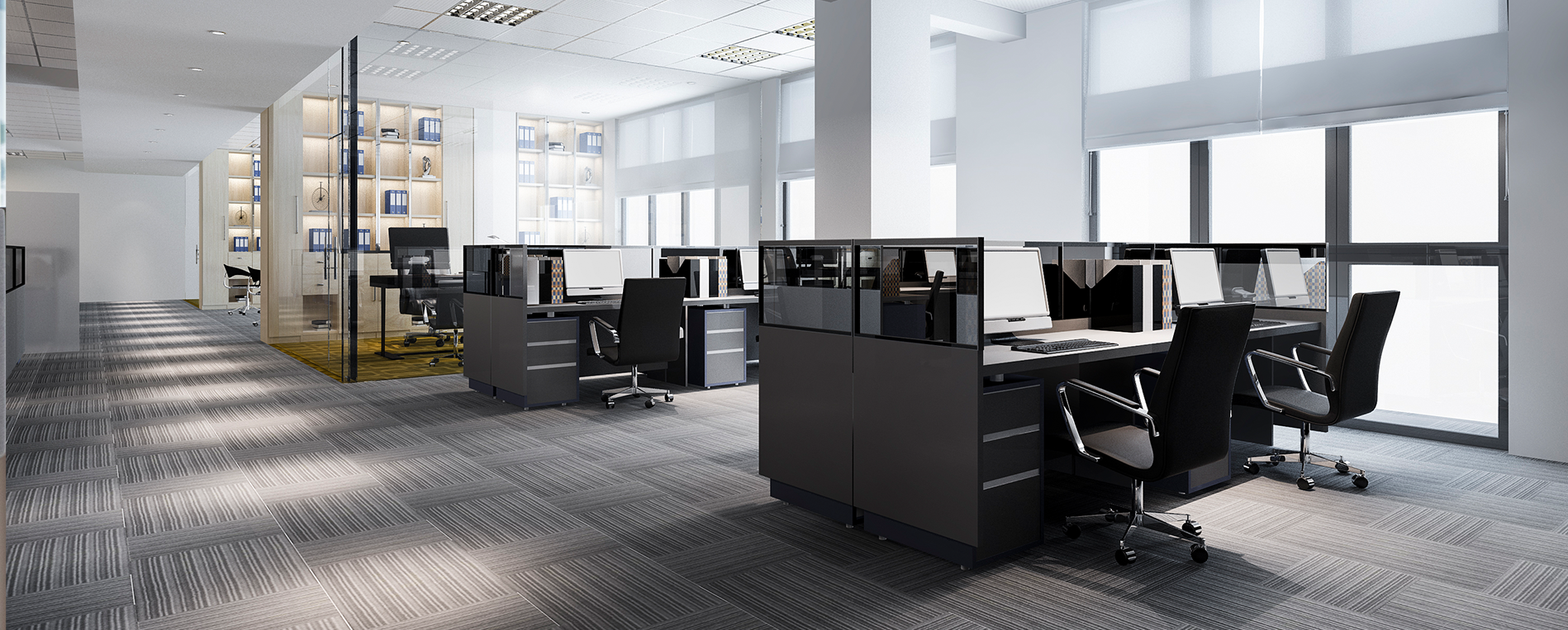
Linear Ceiling Baffles: Rather than relying on generic, institutional acoustic tiles, we utilize custom-crafted linear ceiling baffles. As shown in the design above, these panels capture and absorb upward sound waves, preventing corporate conversations from bouncing across open waiting areas.
Insulated Wall Assemblies: We specify floor-to-ceiling drywall configurations that extend completely past the acoustic tile ceiling to the true structural deck above, packed with high-density acoustic insulation to block room-to-room sound transmission between adjacent partner offices.
Double Glazed Glass Partitions: When a boutique office design requires natural light to flow through interior workspaces, we utilize double-glazed acoustic glass frames with drop-down acoustic sill seals that automatically seal the gap under doors when closed.
Strategic Space Planning for Intentional Traffic Control
Visual privacy is just as critical as acoustic control. A client, investor, or job candidate should never feel exposed while discussing proprietary files or waiting for a sensitive meeting. Resolving this challenge requires meticulous small commercial space planning that controls how people move through the physical office.
Instead of a single open hallway where everyone crosses paths, we engineer independent traffic lanes. We utilize customized architectural millwork—such as floating privacy panels, decorative slatted wood partitions, and angled entryways—to block direct sightlines from the public reception area into private office zones.
The Art of Layering Textures and Balancing Undertones
Creating a sophisticated home requires a balance of weight, depth, and contrast. When you gather material samples in person, you aren't just looking at colors; you are testing how physical elements interact in the real world.
During a tactile design session, we look past the surface to examine the deep technical chemistry of your space:
Navigating Wood Grain and Species: Pairing a rift-sawn white oak kitchen island with white perimeter cabinets requires checking the undertones in person. Side by side, we ensure the wood species don't clash or cast an accidental pink or yellow hue under regional light.
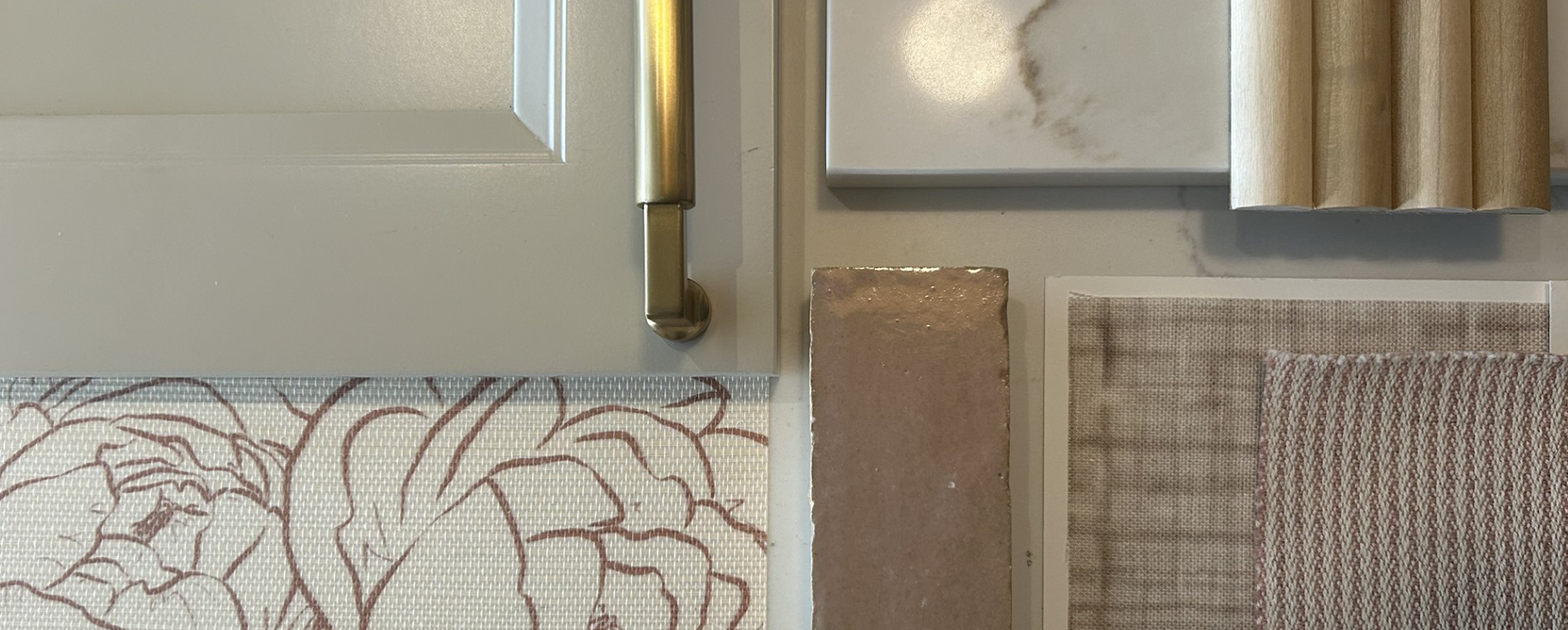
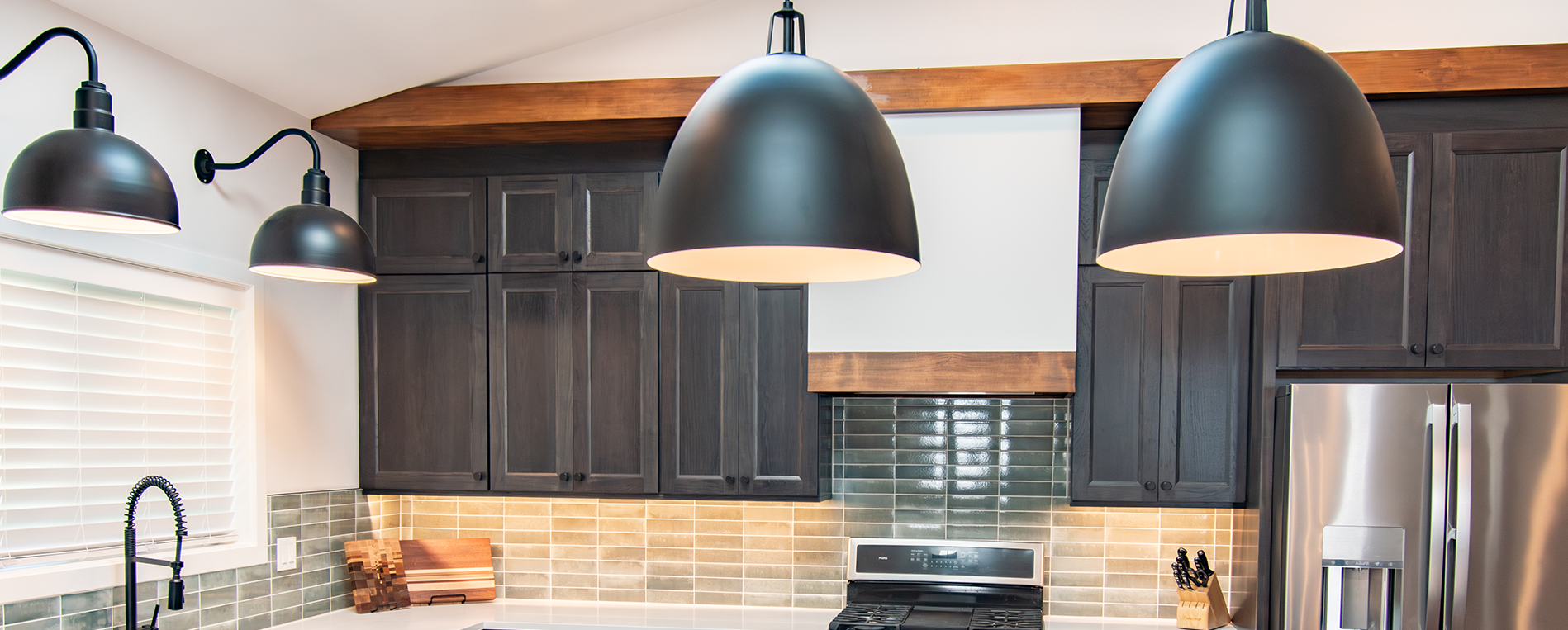
Testing Material Visual Weight: As seen in the design palette above, mixing matte black fixtures with high-texture wood fluting and organic stone surfaces creates visual depth. Seeing these scales interact physically helps us prevent a room from feeling top-heavy or flat.
The Tactile Feedback of Textiles: For open floor plans, kitchen seating and adjacent living room upholstery must blend seamlessly. We physically manipulate fabric swatches, checking the durability of the weave and how it catches light next to your hard surfaces.
Why a Physical Mood Board is the Blueprint for Accurate Estimating
This interactive showroom experience is a crucial part of our front-loaded approach. It isn't just a fun creative exercise; it directly dictates your project’s infrastructure and budget stability.
Every physical item we lock into your material palette carries unique dimensions, weights, and installation requirements. A handmade cle tile has an irregular thickness that impacts how a contractor floats the drywall. A thick quartzite slab requires specific edge detailing and cabinetry reinforcement compared to a standard engineered quartz surface.
By finalizing these choices in our design hub, we instantly transform a beautiful flat lay into precise technical specifications. Your construction drawings are updated with the exact make, model, layout pattern, and thickness of every element. When your general contractor and full-scope home remodelers receive the packet, they aren't guessing or inflating their bids to cover unknowns—they are quoting real, verified data.
Whether we are designing a modern waterfront home on Bainbridge Island, modernizing a kitchen in Poulsbo, or mapping a luxury layout in Silverdale, starting with tactile certainty ensures a seamless translation from our worktable to your finished home.
Mise en Place Design | NCIDQ & ASID Certified: Silverdale | Kitsap | Gig Harbor | Port Orchard | Bremerton | Kingston | Poulsbo | Bainbridge Island | Hansville | Seabeck

Designing Executive Office Suites to Balance High End Aesthetics with Strict Client Privacy
Aesthetics mean nothing without operational security. At Mise en Place Design, we specialize in commercial interior architecture that balances premium visual branding with strict privacy needs. Discover how our small commercial space planning and acoustical engineering protect client confidentiality in executive and boutique office suites across Kitsap County. Learn how our construction drawings eliminate field errors to deliver stunning, operationally robust workspaces.
When designing a boutique corporate environment, a common architectural conflict arises between aesthetic preference and operational reality. The modern design landscape heavily favors expansive glass, open-concept floor plans, and soaring hard surfaces like polished concrete or minimalist metal accents. While these elements create a stunning first impression that elevates on-brand business aesthetics, they can present a massive liability for specialized professional environments.
For a law firm, a wealth management office, or an executive boardroom, absolute acoustic and visual confidentiality is a non-negotiable professional requirement.
Achieving a high-end look while maintaining strict operational security demands specialized commercial interior architecture. True luxury in a corporate footprint means managing the spatial experience so that a client sitting in a welcome lounge never overhears a sensitive financial review, legal mediation, or corporate strategy session happening just a few feet away.
Implementing Acoustical Engineering Behind High End Surfaces
The primary driver of privacy issues in modern offices is a lack of early acoustic planning. Sound waves reflect off hard materials like glass desks and uninsulated drywall, turning standard conversations into audible echoes that travel straight under doors and through shared drop ceilings.
To maintain an upscale urban vibe without compromising confidentiality, we integrate acoustical engineering directly into our initial construction drawings.
When viewing the layout of a professionally engineered corporate interior, notice how acoustic control is built directly into the structural skeleton:
Linear Ceiling Baffles: Rather than relying on generic, institutional acoustic tiles, we utilize custom-crafted linear ceiling baffles. As shown in the design above, these panels capture and absorb upward sound waves, preventing corporate conversations from bouncing across open waiting areas.
Insulated Wall Assemblies: We specify floor-to-ceiling drywall configurations that extend completely past the acoustic tile ceiling to the true structural deck above, packed with high-density acoustic insulation to block room-to-room sound transmission between adjacent partner offices.
Double Glazed Glass Partitions: When a boutique office design requires natural light to flow through interior workspaces, we utilize double-glazed acoustic glass frames with drop-down acoustic sill seals that automatically seal the gap under doors when closed.
Strategic Space Planning for Intentional Traffic Control
Visual privacy is just as critical as acoustic control. A client, investor, or job candidate should never feel exposed while discussing proprietary files or waiting for a sensitive meeting. Resolving this challenge requires meticulous small commercial space planning that controls how people move through the physical office.
Instead of a single open hallway where everyone crosses paths, we engineer independent traffic lanes. We utilize customized architectural millwork—such as floating privacy panels, decorative slatted wood partitions, and angled entryways—to block direct sightlines from the public reception area into private office zones.

By addressing these complex structural trade-offs during the concept development phase, we deliver a final office layout that protects your firm, your clients, and your corporate reputation. From initial technical drafting to the final turnkey delivery, our front-loaded approach ensures that your local contractor receives a foolproof technical blueprint.
Whether you are updating a wealth management suite in Silverdale, designing a law firm in Bremerton, or launching a boutique corporate workspace anywhere across Kitsap County, building with technical precision means your business environment will perform as beautifully as it looks.
Mise en Place Design | NCIDQ & ASID Certified: Silverdale | Kitsap | Gig Harbor | Port Orchard | Bremerton | Kingston | Poulsbo | Bainbridge Island | Hansville | Seabeck

The Technical Reality of Mapping Light and Electrical Grids for Whole House Renovations
Design from the inside out. At Mise en Place Design, we believe that true luxury requires mapping your lighting and electrical grids during the initial design phase. Discover how our rigorous technical drafting for home renovations and detailed construction drawings eliminate visual clutter and control structural variables before construction begins. Learn why Bainbridge Island and Poulsbo homeowners trust our "mise en place" design philosophy to deliver highly functional, beautifully illuminated, and operationally robust homes.
When imagining a luxury home transformation, the mind naturally gravitates toward the highly visible finishes, such as the sweep of custom millwork, the texture of natural stone, or the layout of premium flooring. Lighting is frequently treated as a secondary decorative choice, left as an itemized list of fixtures to be selected toward the tail end of construction. However, in high-end whole-house renovation design, treating illumination as an afterthought is a recipe for spatial failure.
At Mise en Place Design, we treat light not as a cosmetic accessory, but as a critical invisible material that alters the physical volume, color chemistry, and functional performance of your environment. Managing how a home is illuminated requires an advanced structural skillset long before the first wire is pulled. Through our disciplined front-loaded approach, we integrate comprehensive lighting design and electrical infrastructure directly into your initial construction drawings, establishing a flawless roadmap for your build team.
The Hidden Infrastructure of Atmospheric Luxury
A premier property must be engineered to transition seamlessly from the bright clarity of a workspace to the soft, restorative atmosphere of an evening retreat. Achieving this flexibility requires a deep understanding of human scale, spatial configurations, and architectural physics.
Layering the Visual Field: We coordinate ambient, task, and accent lighting simultaneously during the initial space planning phase. This ensures that work surfaces in a kitchen remodel or vanity zones in a master bathroom renovation receive glare-free illumination, while architectural features are subtly highlighted.
Daylight Integration: The unique, overcast light characteristic of the Western Puget Sound changes how interior volumes read throughout the day. We map how natural light penetrates your home's footprint, placing artificial light grids strategically to balance shadow lines and keep large, open spaces feeling expansive but warm.
Circadian Calibration: Modern luxury environments prioritize well-being. We spec precise color-rendering indexes and advanced dimming topologies within our technical specifications, allowing your lighting infrastructure to mimic natural diurnal rhythms.
By resolving these equations early, an interior architecture firm ensures that illumination serves the underlying architectural skeleton rather than fighting against it.
Why Electrical Routing Must Precede the Building Phase
The structural reality of a large-scale renovation means that once drywall is installed, modifying an electrical path is an expensive, disruptive process. When a home layout is handed over to a builder without precise electrical grid schematics, subcontractors are forced to make immediate field assumptions about switch placements, outlet locations, and junction boxes.
This lack of early technical documentation is a primary driver of visual clutter. Outlets placed squarely in the middle of a beautiful custom backsplash, switches that are awkwardly hidden behind open doors, or asymmetrical recessed fixtures that ignore the layout of the furniture below are all standard results of vague planning.
We eliminate this field friction through rigorous technical drafting for home renovations. Our electrical grids are completely integrated with our structural layouts. We specify the exact centerline dimensions for every fixture, the hidden routing for cabinet illumination, and the precise placement of floor outlets relative to your future furniture configurations. This meticulous preparation controls structural variables early, ensuring that your building team can execute the mechanical rough-ins with total clarity and zero spatial ambiguity.

Protecting the Visual Field Through Meticulous Specifications
Our commitment to a highly organized, systematic design process is rooted in our proprietary "mise en place" design philosophy. Just as a master chef organizes every single element before the heat is turned on, we calculate, document, and lock in the technical specifications of your lighting and electrical layout before demolition ever begins on your property.
This deep preparation provides local building departments with explicit permit documentation and safeguards your investment. Whether we are designing a contemporary estate on Bainbridge Island, modernizing a historic footprint in Poulsbo, or managing a complex layout update in Silverdale, having an integrated infrastructure plan allows full-scope home remodelers to quote and build with confidence.
Investing in advanced technical drafting means choosing an operationally robust home built with long-term architectural integrity. We bridge the gap between design and construction all across Kitsap County, ensuring your premium environment functions flawlessly, controls everyday variables, and beautifully reflects your unique individuality.
Mise en Place Design | NCIDQ & ASID Certified: Silverdale | Kitsap | Gig Harbor | Port Orchard | Bremerton | Kingston | Poulsbo | Bainbridge Island | Hansville | Seabeck

Why 37% of Homeowners Overspend on Renovations and How Technical Drafting Protects Your Investment
Stop budget inflation before it starts. Industry metrics show that 37 percent of homeowners overspend during major renovations, primarily due to poor planning and unexpected field changes. Discover how Mise en Place Design uses rigorous technical drafting for home renovations and comprehensive construction drawings to protect budgets across Kitsap County. Learn why Bainbridge Island and Silverdale homeowners trust our unique "mise en place" design philosophy to deliver predictable, stunning, and operationally robust results.
Embarking on a major home transformation is an exciting milestone, but for many property owners, the financial reality of construction does not match the initial dream. Industry data reveals a sobering trend where 37 percent of homeowners exceed their initial budget during large-scale modernizations. This widespread overspending rarely stems from a desire for sudden extravagance. Instead, it is almost always driven by hidden project complexities, poor early documentation, and the chaotic domino effect of making sudden layout modifications mid-construction.
At Mise en Place Design, we believe that financial predictability is an essential component of high-end design. Across the Kitsap Peninsula, a premium luxury home remodeling project should never rely on guesswork. While it is impossible to eliminate every single variable on an active job site, we operate with a strict front-loaded approach to drastically reduce financial risk. By investing heavily in precision planning early on, we protect your time, your sanity, and your hard-earned capital.
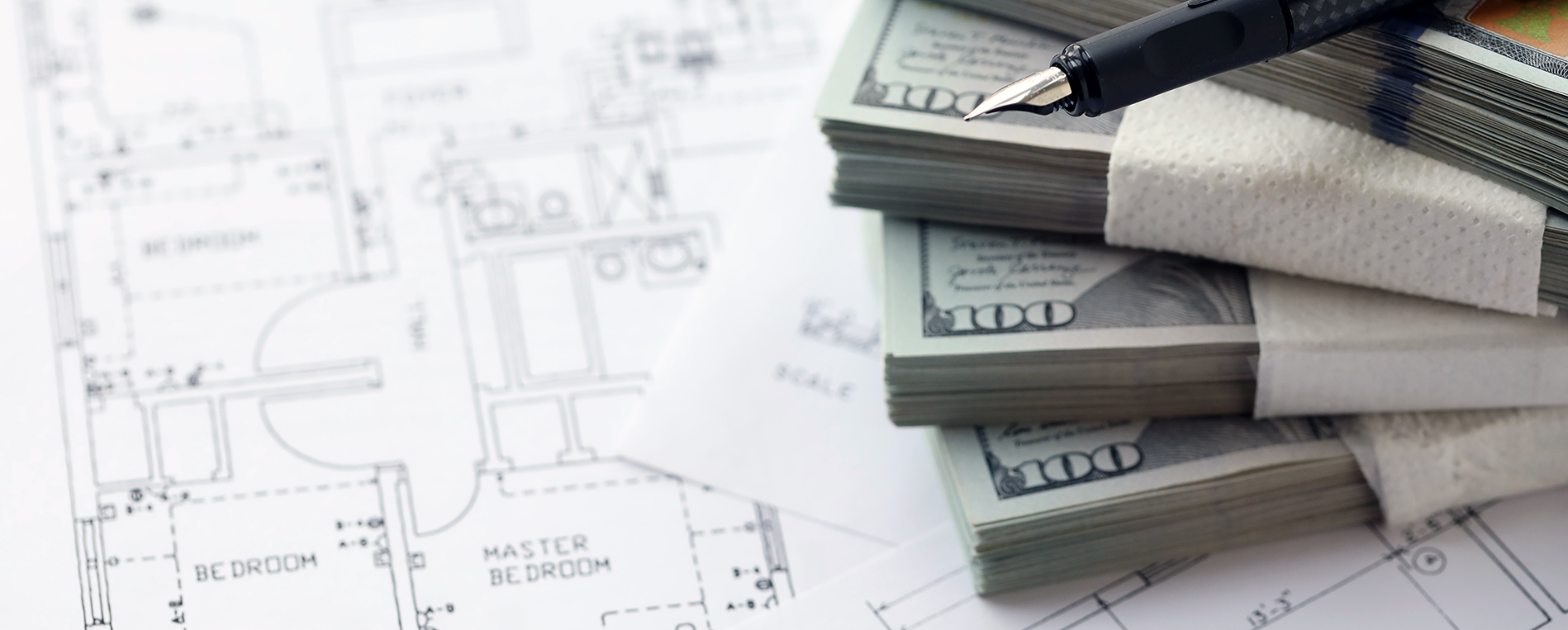
The Costly Reality of Vague Design Documentation
When planning a whole-house renovation design, many people make the mistake of passing basic stylistic sketches or simple mood boards over to full-scope home remodelers. Comprehensive design requires more than visual inspiration; it requires a deep understanding of the home's structural skeleton.
When a general contractor meets an incomplete plan, the field team is forced to make real-time assumptions about structural spatial configurations, mechanical paths, and finish alignments. This structural ambiguity is where the 37 percent budget overrun typically begins. A wall that needs to be moved two inches to clear an unexpected structural post or a plumbing line that clashes with a floor joist results in reactive field corrections. These friction points stall timelines, multiply labor fees, and quickly derail your financial allocations through unexpected change orders.
How Construction Drawings Stabilize the Construction Phase
The most effective way to control a renovation budget is to resolve the layout on paper first. Our studio mitigates architectural risk by delivering exhaustive technical drafting for home renovations. We produce highly calibrated construction drawings that serve as a definitive technical roadmap for your entire build team.
Detailed Spatial Configurations: We map out your home's exact layout, ensuring new walls, sightlines, and structural changes integrate seamlessly with the existing footprint before demolition.
Flawless Space Planning: We specify exactly how furniture, custom architectural millwork, and major installations interact, identifying spatial bottlenecks while changes are still cheap to fix on paper.
Mechanical and Structural Alignment: We coordinate plumbing paths, electrical grids, and lighting design parameters simultaneously, resolving hidden infrastructure clashes early.
When contractors have a highly detailed set of plans to quote against, it establishes a transparent baseline where structural variables are controlled from day one. While any elective design changes or structural discoveries behind old walls will naturally carry associated costs, having a technical foundation ensures those adjustments are deliberate, calculated choices rather than accidental surprises.
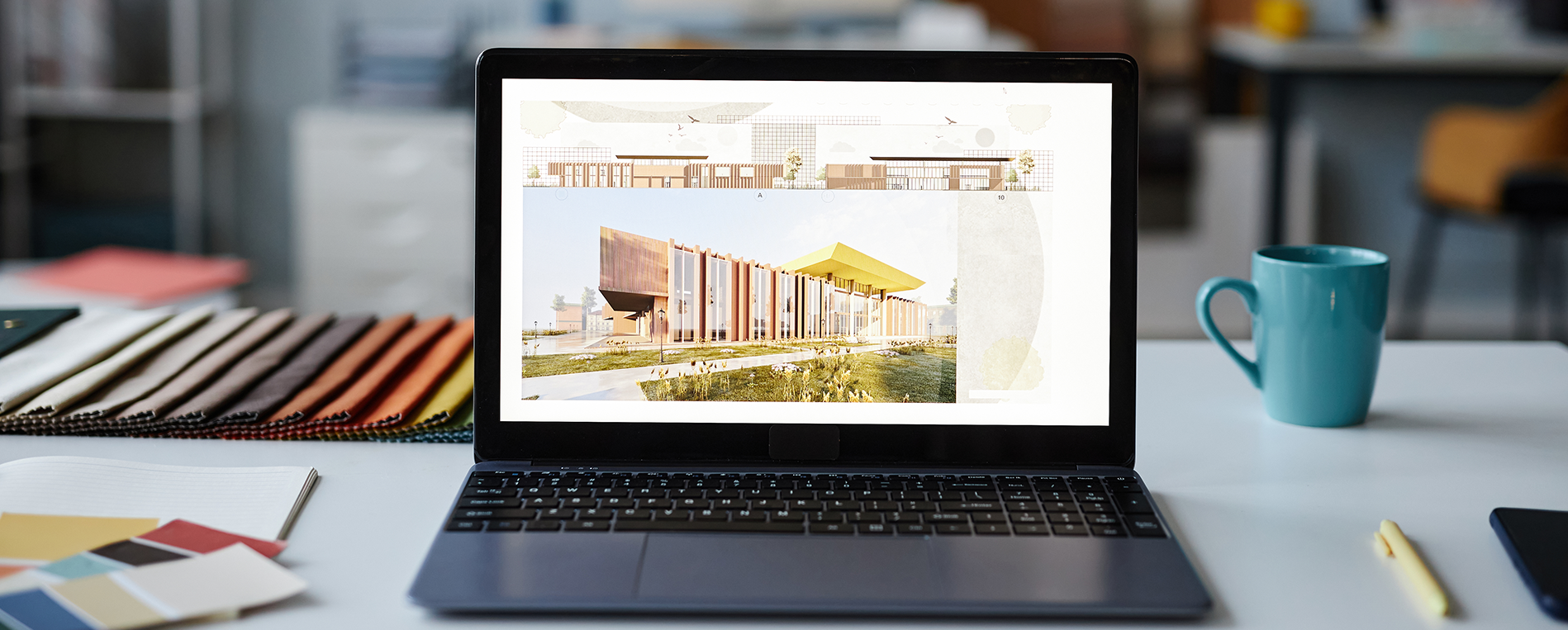
Mitigating Risk Through Our Rigid Prep Philosophy
Our commitment to a manageable, highly organized construction experience is anchored by our proprietary "mise en place" design philosophy. Just as a master chef organizes every single ingredient and tool before firing up the stove, we organize, detail, and finalize the technical metrics of your home before construction crews step onto your property.
This deep preparation means that our studio manages the complexities of permit documentation, local zoning compliance, and precise material tracking long before the building phase. We lock in your technical specifications—down to the exact weight tolerances of your custom kitchen cabinets, the precise layout of your tile transitions, and the thickness of your hardwood flooring—so your construction team can execute the work with clear parameters.
Investing in an interior architecture firm that prioritizes advanced technical drafting over simple surface decoration means choosing an operationally robust home built with financial intelligence. We bridge the gap between design and construction all across Kitsap County, ensuring your premium investment transforms safely and systematically from a digital concept into a breathtaking reality.
Mise en Place Design | NCIDQ & ASID Certified: Silverdale | Kitsap | Gig Harbor | Port Orchard | Bremerton | Kingston | Poulsbo | Bainbridge Island | Hansville | Seabeck

The Mise En Place Design Philosophy and Seamless Design to Construction Support
Preparation is the foundation of luxury. At Mise en Place Design, our proprietary "mise en place" design philosophy ensures that your Kitsap County renovation is meticulously planned before construction ever begins. Discover how our front-loaded approach and seamless design-to-construction support combine rigorous technical drafting with professional site advocacy. Learn how we protect your investment from Bainbridge Island to Gig Harbor, turning complex structural visions into flawless, turnkey realities.
In the world of high-end culinary arts, mise en place is a sacred law. Translated from French, it means "everything in its place." It is the rigorous practice of gathering, measuring, and organizing every single ingredient and tool before the stove is ever lit. When service begins, the chef does not waste time searching for a knife or scrambling for a spice; the execution is fluid, deliberate, and flawless because the preparation was absolute.
At Mise en Place Design, we apply this exact structural discipline to luxury residential architecture.
A high-end whole-house renovation design or detailed kitchen and bath remodel shouldn't be approached with a "figure it out as we go" mindset. Across the Kitsap Peninsula, from the waterfront estates of Bainbridge Island to the rolling properties of Poulsbo and Gig Harbor, true luxury is realized through an uncompromising, front-loaded approach. By establishing a foolproof structural roadmap on paper, we ensure that the execution of your build is seamless, predictable, and completely stress-free.
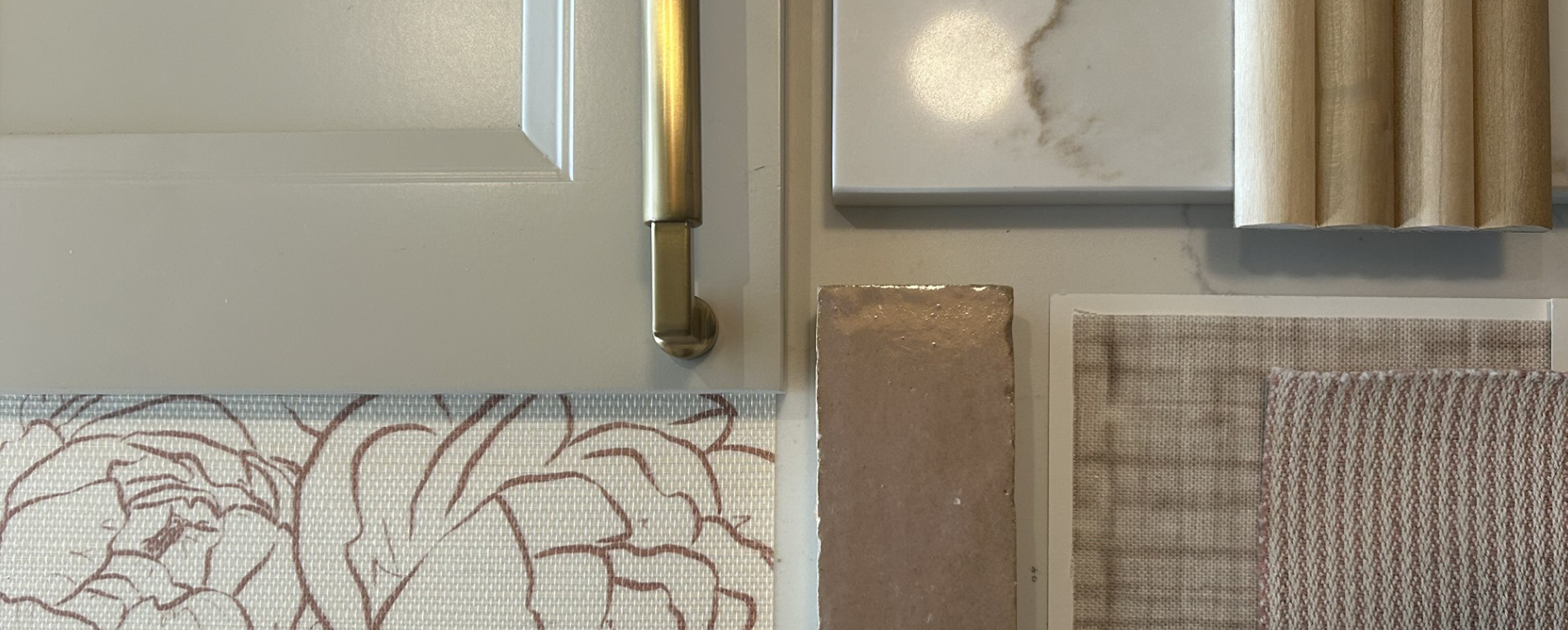
The Core Principles of our Front Loaded Design Strategy
Many homeowners assume that working with an high-end residential interior designer begins with paint swatches and fabric books. In reality, our work begins in the structural skeleton of the home. Our "mise en place" design philosophy dictates that we resolve every spatial, technical, and mechanical challenge during the initial design phase, long before a demolition crew arrives on-site.
This meticulous preparation is anchored by a comprehensive documentation process:
Rigorous Space Planning: We analyze how your family moves through the home, optimizing floor plans and traffic flow to ensure the environment adapts perfectly to your lifestyle.
Advanced Technical Drafting: We generate highly detailed construction drawings and elevations, establishing clear boundaries for structural changes, lighting grids, and electrical junctions.
Precise Material Specification: Every piece of hardwood flooring, custom tile layout, and contract textile is selected and vetted in advance, ensuring long-term durability against the unique climate of the Western Puget Sound.
By locking in these technical specifications early, we provide local building departments with flawless permit documentation and give your contractor a definitive blueprint. This level of preparation eliminates the guesswork that typically causes mid-project delays and budget inflation.
Real Design Management Demands Continuous Site Advocacy
Even the most perfect set of drawings must be protected once construction begins. The true test of a design happens in the field, where unexpected structural anomalies or subcontractor miscommunications can threaten the integrity of the vision. This is why our studio provides seamless design-to-construction support.
We do not believe in handing off a packet of drawings and walking away. True design management means acting as your professional site advocate from the first swing of the hammer to the final walkthrough. Through ongoing site supervision, we conduct regular site visits all along the peninsula—whether in Silverdale, Bremerton, or Kingston—to monitor construction progress and enforce strict contractor compliance.
When a builder encounters an unforeseen pipe behind a wall or a structural beam that requires a layout adjustment, you don’t have to act as the intermediary. We handle the contract administration directly with the build team. Because we created the initial architectural roadmap, we can issue real-time drawing revisions that solve the physical problem on-site without sacrificing the spatial flow or custom dimensions of your custom kitchen cabinets and millwork.
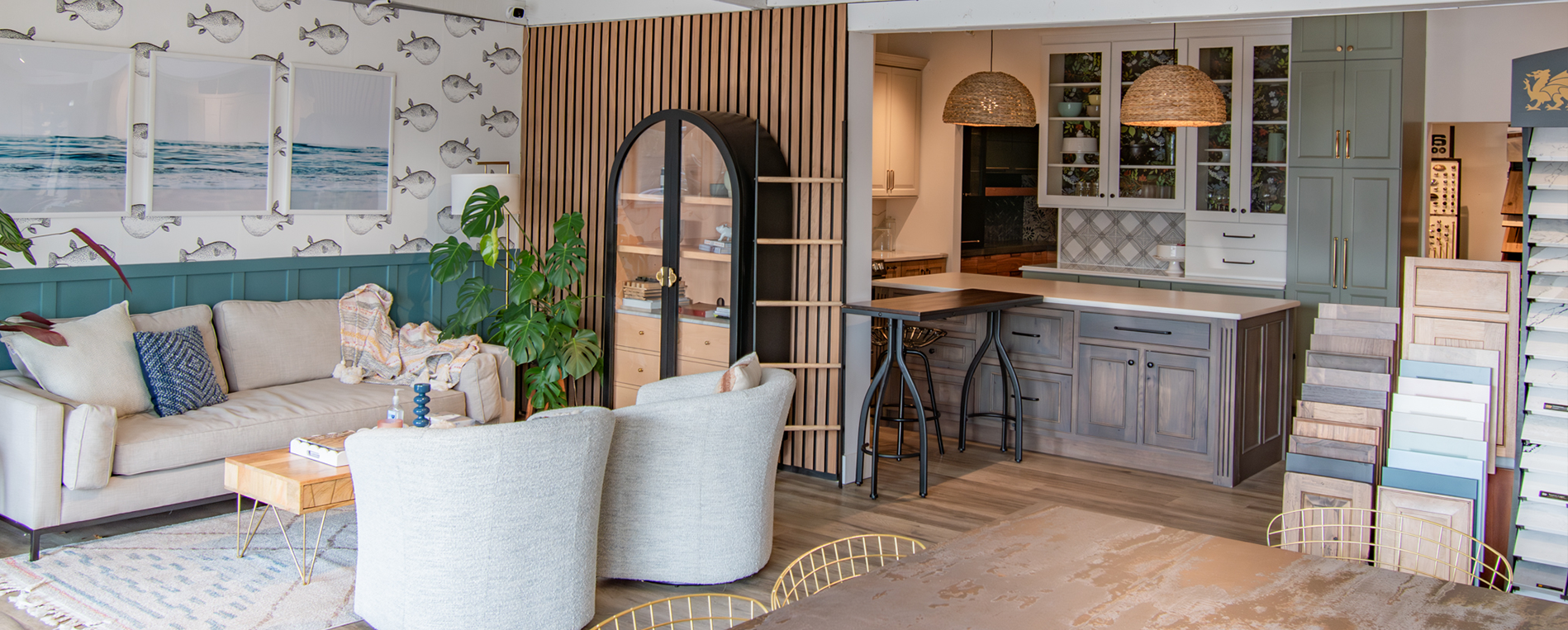
Bringing an Operationally Robust Vision to Life
Our ultimate goal is to deliver a home that balances high-end aesthetics with an operationally robust infrastructure. We utilize photorealistic 3D visualization during the planning stages so you can experience the volume, light, and materiality of your space digitally. Then, through our dedicated construction support, we ensure that digital model translates flawlessly into your physical reality.
From initial concept development to turnkey delivery, we manage the timeline, procurement logistics, and structural execution of your project with total transparency. By combining a deeply organized preparation philosophy with continuous field advocacy, we protect your financial investment and deliver a tailored, sophisticated environment where everything has its place.
Mise en Place Design | NCIDQ & ASID Certified: Silverdale | Kitsap | Gig Harbor | Port Orchard | Bremerton | Kingston | Poulsbo | Bainbridge Island | Hansville | Seabeck
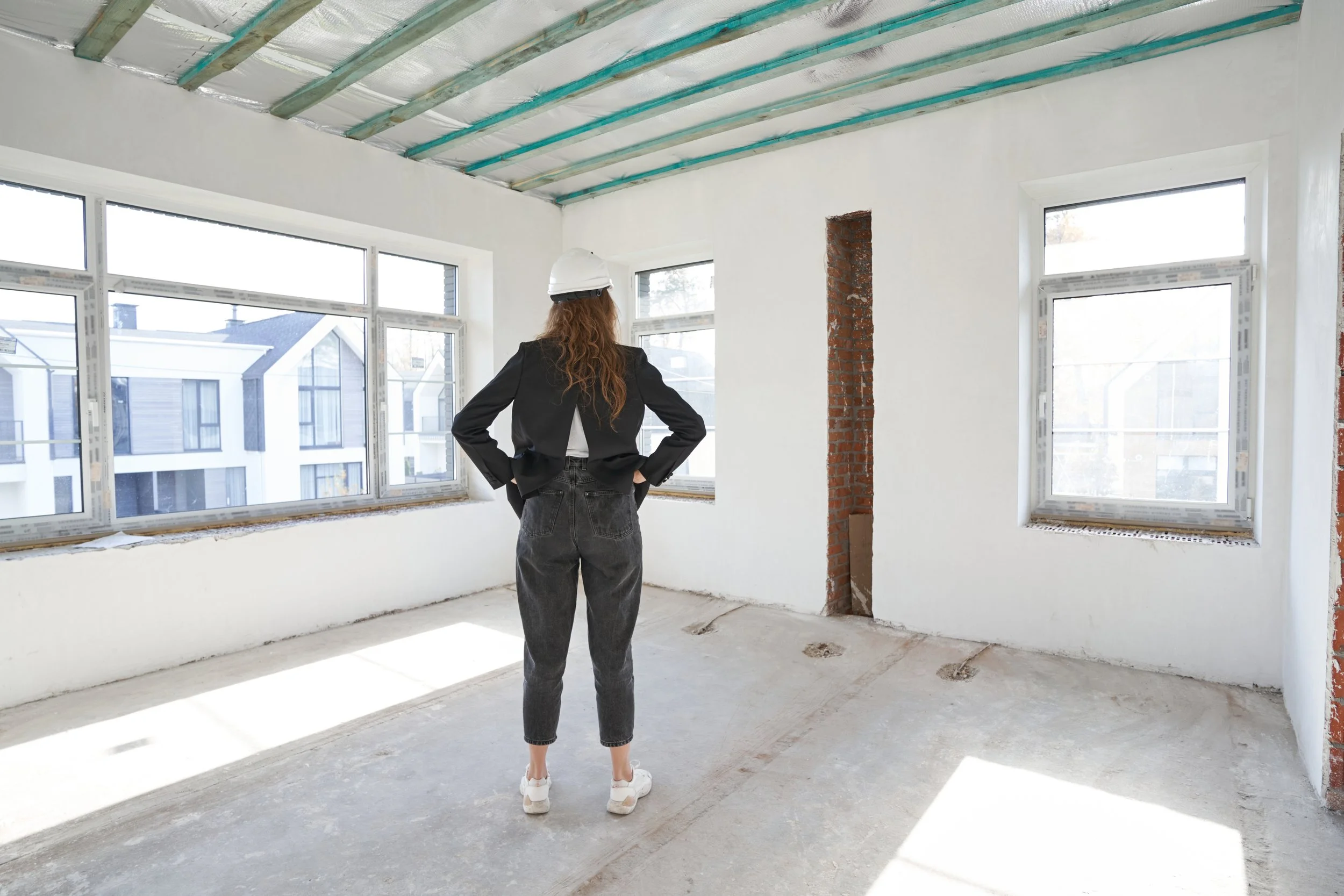
Why Your Kitsap Peninsula Remodel Needs a Dedicated Design Advocate on Site
Don't let your design get lost in construction. At Mise en Place Design, our regional construction support phase provides the professional site advocacy and contractor compliance checks needed to safeguard your project. Discover how our seamless design-to-construction support combines site supervision and contract administration to protect your investment across Kitsap County and the surrounding areas. Learn why a front-loaded design strategy requires continuous advocacy to turn construction drawings into reality.
The true test of an interior architectural design happens long after the final drawings are signed off. The moment a demolition crew steps onto a property, a beautiful set of plans meets the unpredictable reality of an active construction site. In high-end residential renovations, a notorious gap often exists between the design intent on paper and the execution in the field.
At Mise en Place Design, we do not believe a premium project can survive a traditional design hand-off. When managing substantial investments across the Kitsap Peninsula, securing a dedicated construction support phase is the single most effective way to ensure what was drafted is exactly what gets built. By providing professional site advocacy and enforcing strict contractor compliance, we protect both the structural skeleton of your home and your financial investment from start to finish.

Bridging the Gap Between Construction Drawings and the Active Job Site
A comprehensive set of construction drawings serves as a legal and technical roadmap for a build team. However, a general contractor’s primary focus is often speed, sequence, and structural mechanics, whereas an interior architect focuses on how those mechanics impact the human scale, spatial flow, and final alignment of finishes.
Without ongoing site supervision, critical design details can easily be lost to standard field adjustments.
The Reality of Framing: A wall shifted by just two inches to accommodate a plumbing pipe can completely throw off the symmetry of custom tile layouts or the precise margins of custom kitchen cabinets.
Electrical Routing: Left to their own devices, subcontractors may place junction boxes, switches, or access panels in highly visible locations that disrupt clean sightlines.
Proactive Interventions: During routine site visits all along the peninsula, we review physical framing, plumbing rough-ins, and electrical boxes before drywall goes up, ensuring the structural bones remain perfectly aligned with our approved technical specifications.
Contract Administration and Protecting the Architectural Vision
Every major residential remodel encounters the unexpected, especially when updating waterfront estates or historic properties throughout the Western Puget Sound. When a contractor uncovers an uninsulated pipe or an undocumented structural beam, the immediate response is often to propose the easiest workaround rather than the best design solution.
Our role during the construction support phase is to act as your professional design advocate through rigorous contract administration. When field anomalies occur, we don't look for the fastest fix; we engineer a solution that maintains the operationally robust flow of the home. Because we produced the initial technical drafting for home renovations, we are uniquely equipped to issue real-time drawing revisions that coordinate structural changes without compromising the original design DNA.

Seamless Design to Construction Support for Total Peace of Mind
True project luxury means never having to act as the intermediary between your designer and your builder. We utilize a streamlined and transparent process that loops directly into the contractor’s workflow, establishing our "mise en place" design philosophy as the operational baseline for the entire job site.
By managing the construction phase through formal site visits, material verification, and builder collaboration, we eliminate the friction that typically drives up renovation stress. Whether we are verifying the precise installation of high-traffic hardwood flooring in Silverdale, detailing complex transition lines in Bainbridge Island, overseeing a layout in Gig Harbor, or conducting a final punch-list walkthrough in Poulsbo, our studio ensures that every finish lands exactly where it belongs. We bridge the gap from concept to completion, ensuring your home functions flawlessly across the entire peninsula.
Mise en Place Design | NCIDQ & ASID Certified: Silverdale | Kitsap | Gig Harbor | Port Orchard | Bremerton | Kingston | Poulsbo | Bainbridge Island | Hansville | Seabeck
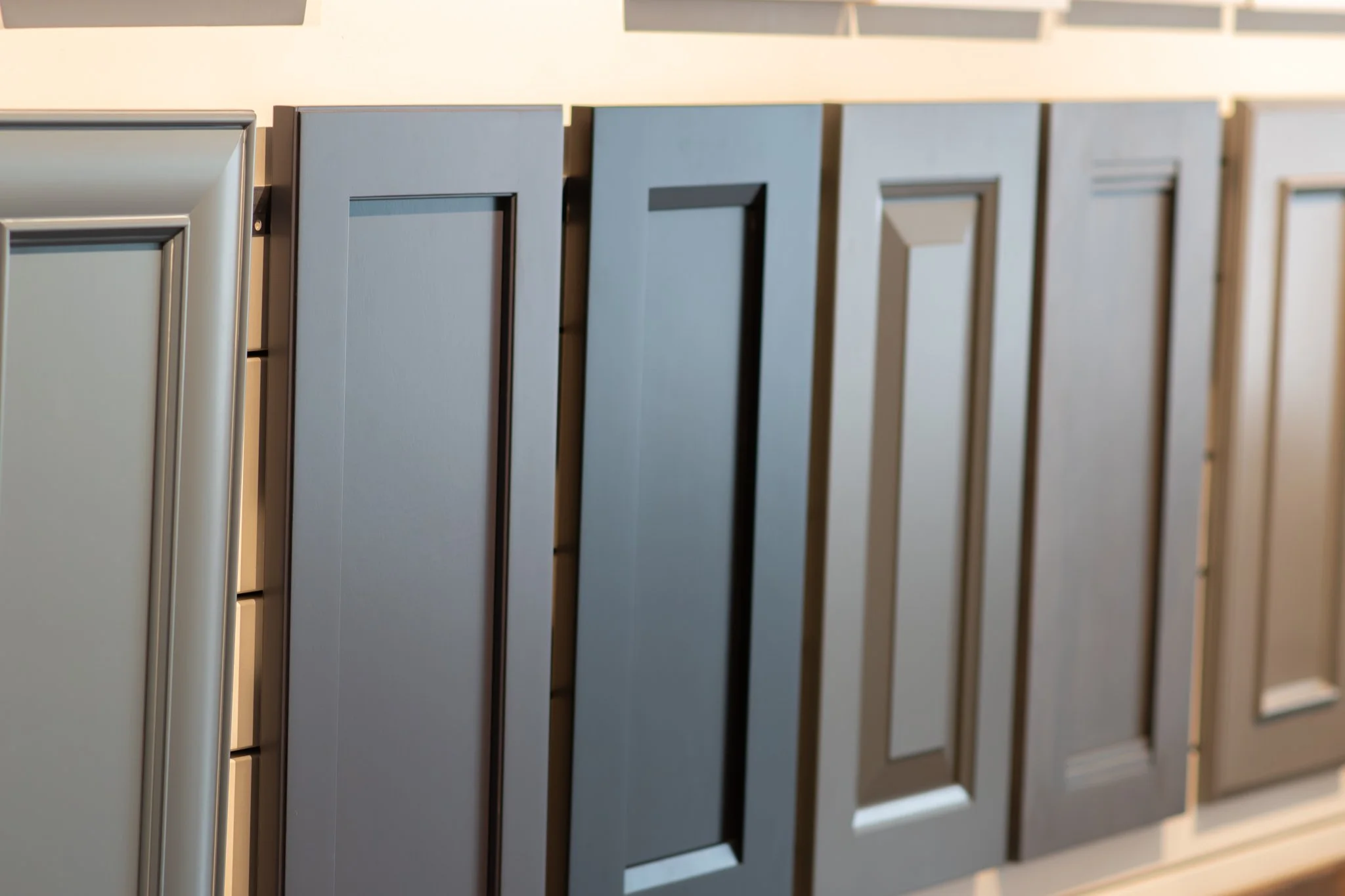
Why Custom Kitchen Cabinets Require a Tactile Interior Design Showroom Experience
Look beyond the screen. At Mise en Place Design, we believe choosing custom kitchen cabinets requires a tactile interior design showroom experience. Discover how interacting with physical materials in our Bremerton design hub allows us to craft precise technical specifications for your Kitsap County remodel. Learn why Bainbridge Island and Poulsbo homeowners trust our front-loaded approach to build structurally sound, beautiful culinary spaces.
n an era dominated by digital convenience, it is tempting to believe a luxury home renovation can be entirely sourced online. Pages of sleek, backlit digital renderings make material selection seem as simple as clicking a button. However, when it comes to engineering custom kitchen cabinets, a computer screen cannot convey the most critical luxury metric: the physical experience of quality.
At Mise en Place Design, we treat cabinetry not as furniture, but as a permanent architectural extension of your home's skeleton. Sourcing high-end, bespoke storage configurations requires an environment where materials can be touched, weighed, and evaluated in person. Utilizing a physical design hub is an essential component of our front-loaded approach, bridging the gap between abstract spatial planning and an operationally robust finished environment.
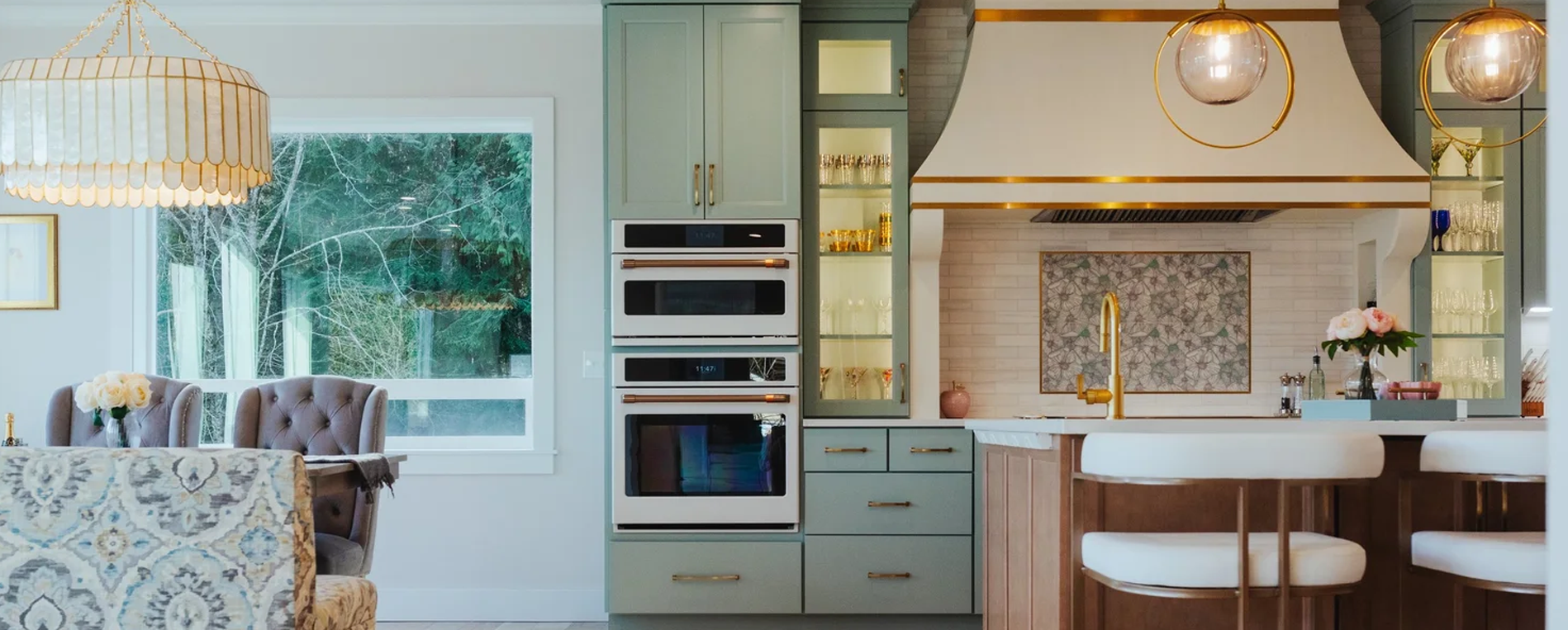
The Physics and Weight of Premium Cabinetry
The primary reason to step away from the digital scroll is to experience the mechanical integrity of high-quality fabrication. Custom kitchen cabinets are the hardest-working elements in a residential interior, subjected to constant daily use.
Material Density: Feeling the structural weight of a solid wood frame versus a lightweight veneer changes your baseline understanding of durability.
Mechanical Tolerances: Opening and closing a drawer allows you to feel the resistance, dampening, and smooth tracking of premium soft-close glides.
Hardware Ergonomics: Handles, pulls, and integrated structural hinges must be tested for comfort and scale relative to the human hand.
By interacting with physical profiles, homeowners in Bainbridge Island and Gig Harbor can establish an intuitive benchmark for quality. This tactile vetting ensures that your cabinetry performs flawlessly, supporting the heavy daily workflow of an active modern kitchen.
Evaluating Finishes Under True Pacific Northwest Light
The cool, diffused daylight of the Western Puget Sound plays tricks on color chemistry. A cabinet paint tone or stained wood grain that appears warm and inviting on a screen can read as sterile, flat, or unexpectedly blue when installed in a Poulsbo or Silverdale home.
Our Bremerton interior design showroom serves as a controlled environment where we can observe how different finishes react together under various light conditions. We layer physical samples—pairing cabinet doors directly with slabs of natural stone, tile layouts, and hardwood flooring samples. This tactile process reveals the subtle undertones of wood species and paint finishes, ensuring that the final palette retains its rich individuality throughout the changing seasons.
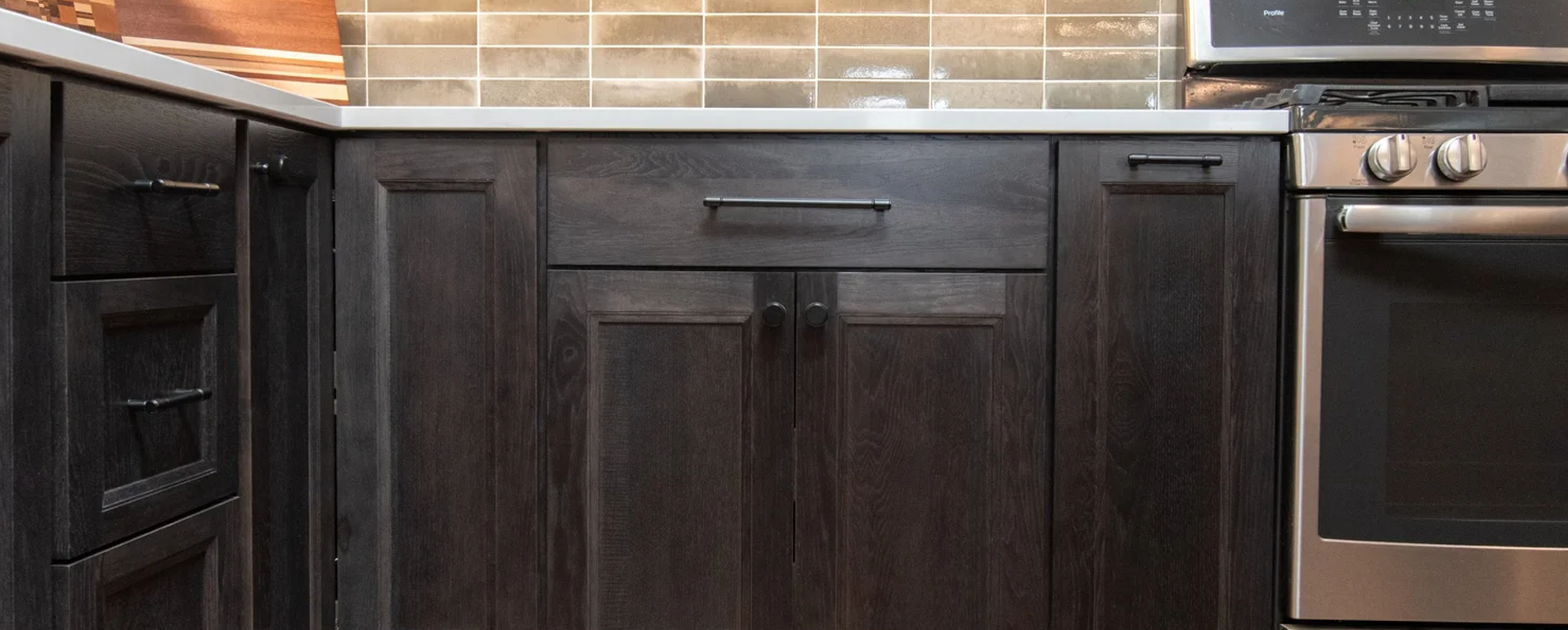
Transforming Tactile Choices into Technical Specifications
A physical material session is not just about aesthetics; it is the fuel for our technical drafting phase. When we sit down to construct comprehensive construction drawings, the exact dimensions, thicknesses, and weight constraints of your chosen cabinetry materials must be locked in.
Knowing the exact specifications of your custom kitchen cabinets early allows us to map out perfect structural alignments, electrical junction boxes for integrated lighting, and precise appliance integration paths. This meticulous coordination reduces construction-phase confusion and eliminates the costly "field-fit" adjustments that often plague large renovations.
Whether you are planning an open-concept kitchen renovation in Port Orchard or a historic home update in Kingston, starting with a tactile material foundation results in a seamless transition from paper to property.
Mise en Place Design | NCIDQ & ASID Certified: Silverdale | Kitsap | Gig Harbor | Port Orchard | Bremerton | Kingston | Poulsbo | Bainbridge Island | Hansville | Seabeck