
The Unseen Details: Why We Obsess Over Door Hardware, Baseboard Heights, and Floor Transitions
In the grand scheme of a residential remodel, it is easy to focus on the "big" decisions—the layout of a kitchen remodel or the tile in a bathroom remodel. These are the elements that grab your attention immediately. But as experts in interior architectural design, we know that the true quality of a home is felt in the details that you might not even consciously notice.
At Mise en Place Design, we obsess over the "unseen" details. From the weight of a door handle to the exact height of a baseboard, these micro-decisions are what elevate a house from "renovated" to "architecturally significant." Here is why the little things are actually the big things in Kitsap home design.
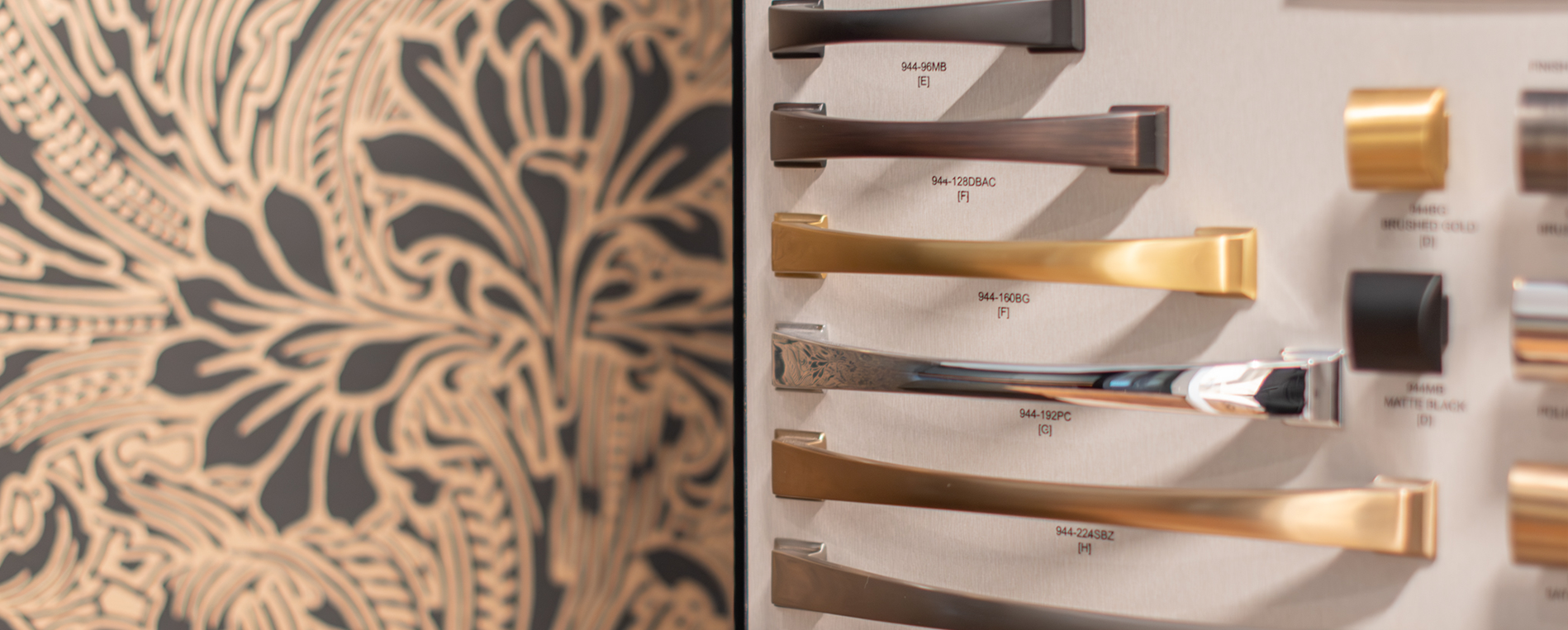
1. The Tactile Experience: Door Hardware
Think about how many times a day you touch a door handle. It is the physical handshake between you and your home.
The Weight of Quality: We specify hardware that has a physical presence. In a custom home design, the click of a well-engineered latch provides a sense of security and permanence that a standard builder-grade handle cannot match.
Architectural Consistency: Whether you’re in a historic cottage in Bainbridge Island or a modern residential remodel in Gig Harbor, the finish and style of your hardware act as a silent thread that ties every room together.
2. Grounding the Room: Baseboard Heights and Profiles
Baseboards are often treated as an afterthought, but in architect design, they are the "frame" for your floors and walls.
Proportion and Scale: A standard 3-inch baseboard can often look "skimpy" in a room with high ceilings. We often specify taller profiles or custom-integrated "flush" baseboards for our Kitsap clients to create a sense of intentionality and height.
The "Mise en Place" Alignment: We ensure that the baseboard profile aligns perfectly with door casings and custom cabinetry, creating clean, continuous lines that calm the eye.
3. The Art of the Transition: Floor Meets Floor
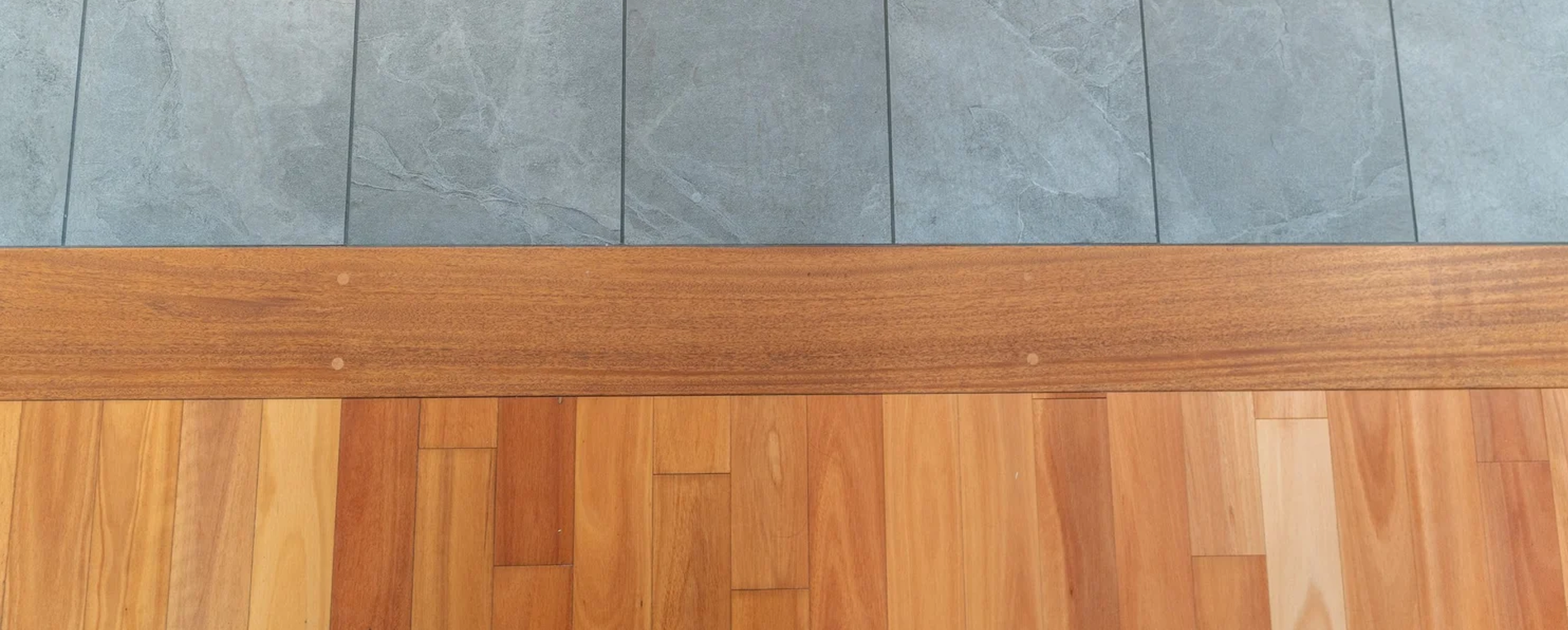
One of the clearest markers of a professional interior architectural design is how different materials meet.
Eliminating the "Trip Hazard": Many contractors use bulky transition strips to cover the gap between tile and wood. We prefer "flush transitions," where the materials meet at the exact same level. This requires surgical precision during the "skeleton" phase of construction.
Material Harmony: Whether it’s a transition from a heated tile floor in a bathroom remodel to the hardwood of a bedroom in Silverdale, we treat that seam as a design opportunity, not a problem to be hidden.
Why the Obsession Matters
You might not walk into a room in Poulsbo or Port Orchard and immediately say, "Look at that floor transition!" But you will feel the difference. When these details are handled correctly, the home feels quieter, more solid, and more expensive.
Through the use of computer renderings, we can show you exactly how these profiles will look against your custom cabinetry, ensuring that every inch of your Kitsap home has been considered. After all, if the mise en place is correct, every single detail has its place.
Obsessing Over Details in: Silverdale | Kitsap | Gig Harbor | Port Orchard | Bremerton | Kingston | Poulsbo | Bainbridge Island | Hansville | Seabeck